


Generations at Work: Millennials Rethinking Stress at Work
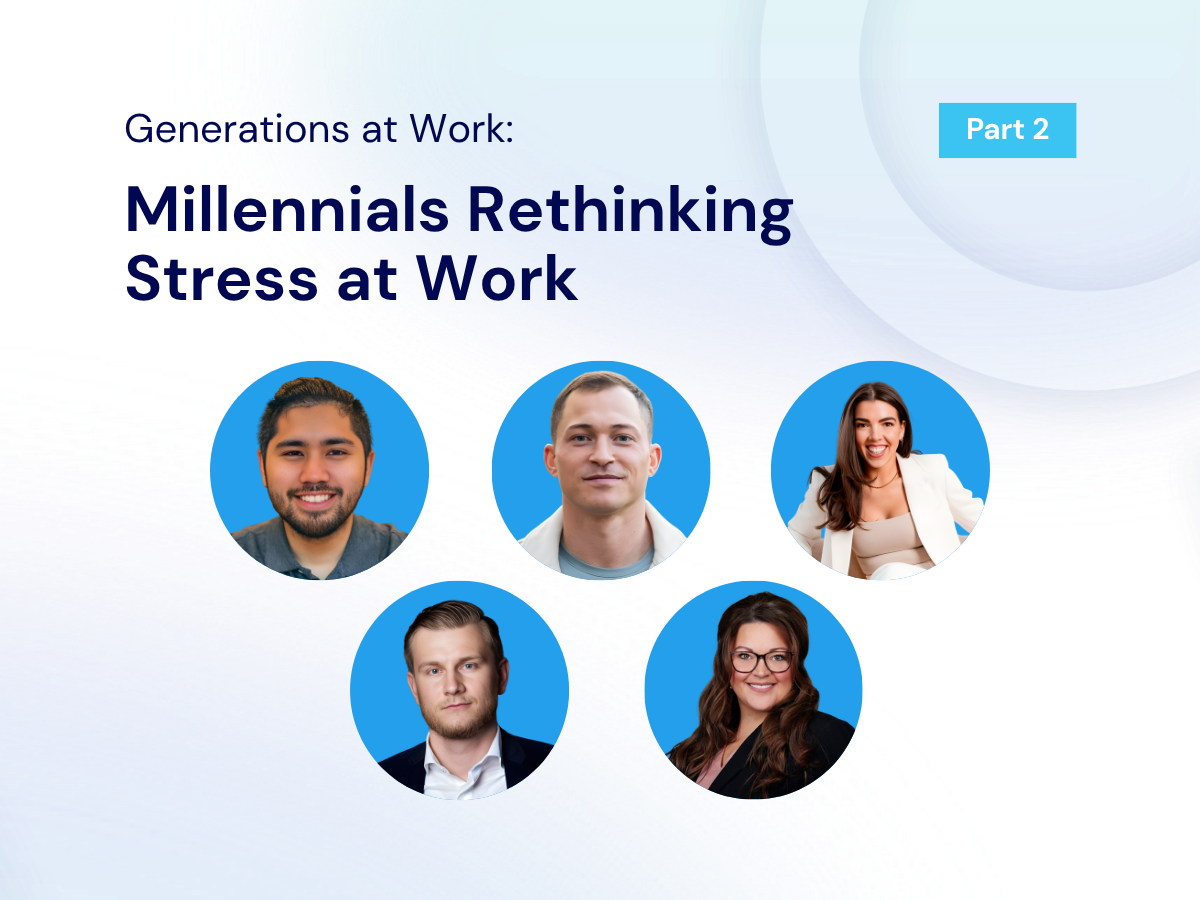
Generations at Work: Millennials Rethinking Stress at Work
Millennials were raised to believe that hard work would lead to stability, success and growth.
Instead, many entered the workforce during economic uncertainty, navigated rapidly changing industries and adapted to workplaces that often demanded more than they gave in return. Over time, this shaped a very different relationship with work - one defined by both ambition and exhaustion.
For this generation, stress is rarely just about workload. It’s tied to expectations. The pressure to succeed, to stay relevant, to grow continuously and to find meaning in what they do.
Millennials were at the center of hustle culture. They normalized long hours, constant connectivity and the idea that doing more meant doing better. But they are also the generation now questioning that narrative - redefining success to include sustainability, balance and wellbeing.
That shift creates tension;
- Between wanting to perform and wanting to protect their time.
- Between career growth and personal fulfillment.
- Between what work has been and what they believe it should become.
In this part of the series, we explore how Millennials experience workplace stress today, what they expect from leadership and how their perspectives are reshaping what a truly leading workplace looks like.
Clarity Is the Real Stress Reducer

For Gregory Lee, COO at Spot Easy , workplace stress doesn’t come from pressure alone. It comes from not knowing where you stand within it.
He describes a pattern many Millennials have internalized over time—growing up with the idea that if you “do what you love,” work should feel fulfilling. So when it doesn’t, the instinct is to turn inward. To question capability instead of questioning the system.
“When work gets hard, we don’t think the job is poorly structured—we think maybe we’re not cut out for it.”
That mindset keeps stress internal for longer. Even when the issue sits in unclear roles, shifting priorities, or inconsistent leadership.
What makes the biggest difference, in his view, is clarity - clarity on who owns decisions, what success actually looks like, and why the work matters in the first place.
Without it, even simple tasks become political. People spend more time interpreting expectations than actually doing the work.
He points to decision ambiguity as one of the biggest hidden drivers of stress. In many organizations, decision-making structures are invisible, inconsistent, or constantly shifting. As a result, employees are left guessing and navigating not just the work, but the system around it. And that guesswork adds up.
His perspective also reflects a broader shift in how Millennials view work. Loyalty is no longer assumed - it is earned through transparency. Clear direction, honest communication and trust in how people work matter far more than surface-level perks.
For him, the signal of a strong workplace is simple: leaders who listen and act quickly on what they hear.
Work Is One Part of Life, Not All of It

For Pat Smith, Founder of Pat Smith Wellness, workplace stress becomes a real issue when it starts to spill beyond work itself. Millennials, he explains, tend to see work as just one part of a much bigger life. So when stress begins to bleed into personal time, relationships, or wellbeing, it no longer feels manageable - it feels unsustainable.
That perspective shifts what this generation values. Flexibility, the ability to work efficiently and the freedom to step away once the work is done matter deeply. It’s less about hours worked and more about how work fits into life as a whole.
He points to something simple but often overlooked: clear communication and psychological safety. When people feel safe to speak, ask questions and understand expectations, stress drops significantly. Without that, even manageable workloads can feel overwhelming.
At the same time, he highlights a growing tension in modern workplaces - the expectation to be constantly available. For Millennials, that “always on” culture directly conflicts with how they define a healthy and sustainable way of working.
“When work stress starts to bleed into other parts of life, it becomes a real threat.”
His perspective also challenges a common misconception that Millennials lack work ethic. In reality, he sees his generation as highly efficient, combining experience with technology to get work done in smarter ways, even if those ways look different from previous generations.
For him, the strongest workplaces are those that listen across generations and are willing to evolve, rather than expecting everyone to work the same way.
The Generation in the Middle—Carrying More Than One Expectation

For Calle Foster, Founder of Calle Foster Coaching & Consulting, workplace stress for Millennials comes from navigating multiple realities at once. They understand traditional workplace expectations, while also pushing for more progressive, human-centered ways of working.
This position often turns them into a bridge between generations—leading younger teams, aligning with senior leadership, and constantly adapting communication styles across both. That flexibility comes with a cost.
At the same time, financial pressure plays a defining role. Student debt, rising living costs, and the desire to build stability shape how Millennials approach work. Compensation, growth and opportunity are motivators and necessities.
“Financial pressures drive Millennial engagement at work.”
That context also reshapes loyalty. Millennials are willing to stay and contribute deeply when they see clear growth, fair pay, and recognition. Without it, they move quickly.
She also highlights something often overlooked - the emotional labor of leadership. Supporting younger employees, staying empathetic, and keeping teams engaged requires energy that isn’t always acknowledged, but is consistently expected.
Despite this, Millennials continue to push for change. They value mental health, meaningful work, and feedback that helps them grow - clear, actionable direction rather than surface-level reassurance.
What makes the biggest difference, in her view, is investment. Leaders who coach, advocate, and follow through on development and compensation.
Because for a generation balancing financial pressure, leadership expectations, and personal milestones, support isn’t a perk.
It’s what makes staying possible.
The Pressure to Stay Relevant
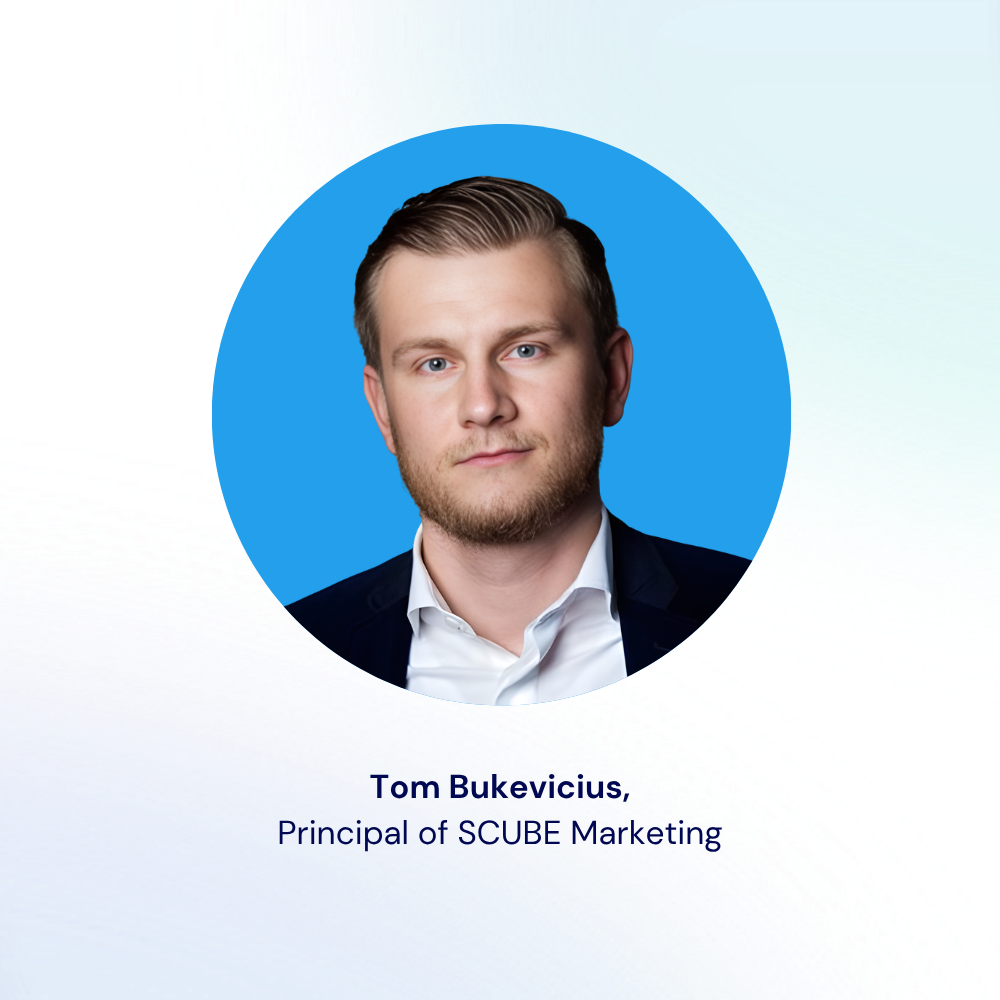
For Tom Bukevicius, Principal of SCUBE Marketing, workplace stress goes beyond workload. It’s tied to something less tangible—but just as constant—the pressure to stay visible, relevant, and impactful in a fast-moving environment.
He describes how Millennials often carry a different kind of tension. Not control or authority, but adaptability. The need to keep up, to stay ahead, and to ensure the work they do actually matters.
“We feel stress not just from workload but from visibility and relevance.”
That pressure is amplified by how work is structured. Endless updates, unnecessary meetings, and performance metrics that don’t reflect real impact create what he calls a kind of “performance theater”—a background noise that adds stress without adding value.
In his view, what makes the biggest difference is how leaders show up. Open communication. Clear priorities. And the willingness to lead with vulnerability, especially in moments of uncertainty. When leaders create that environment, it reduces tension and builds trust.
At the same time, Millennials are driven by growth. They value learning, experimentation, and the ability to build skills over time. Progress matters more than position, and meaningful work matters more than hierarchy.
He also challenges a common misconception that Millennials are impatient. What often gets labeled as impatience is, in his view, a desire for impact and alignment. A need to understand how their work contributes to something bigger.
For him, the clearest signal of a strong workplace is simple: leaders who remove barriers. Not just celebrate outcomes, but actively make it easier for people to do their best work.
Stress Looks Different But the Patterns Are the Same
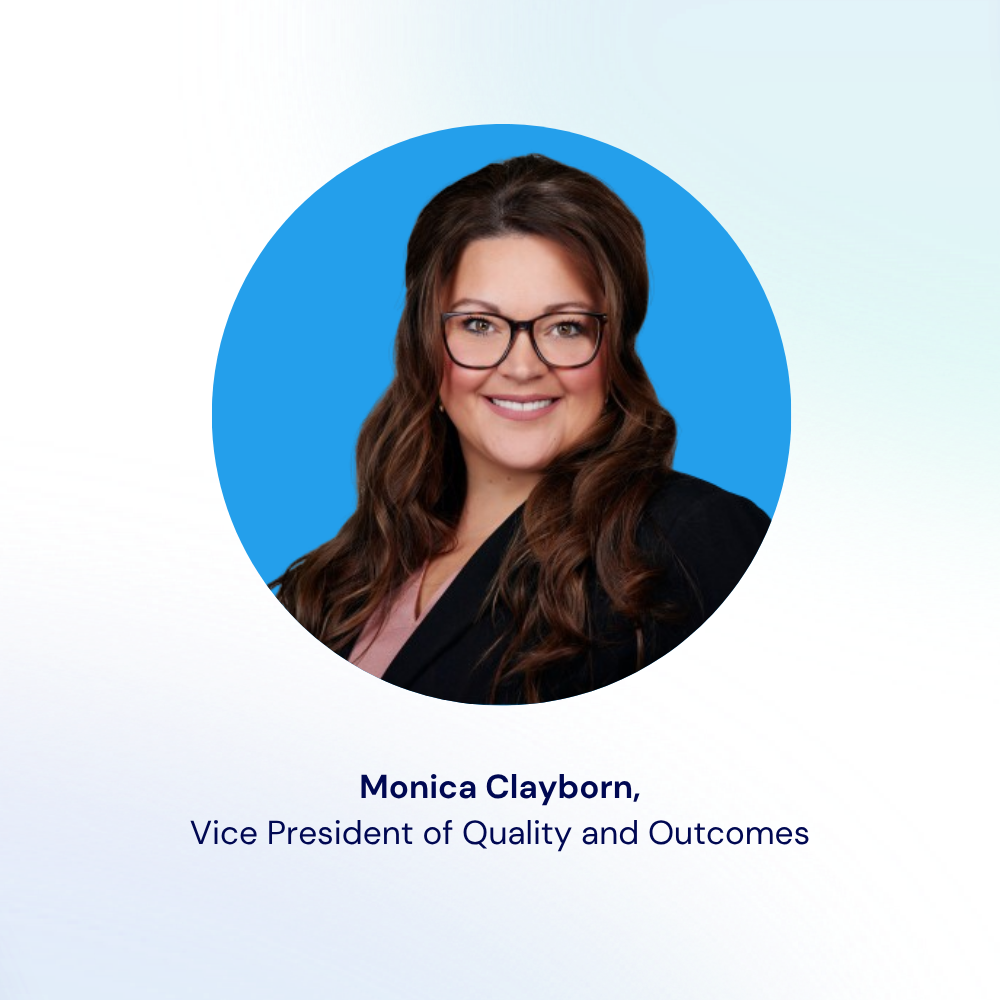
For Monica Clayborn, Vice President of Quality and Outcomes, workplace stress may show up differently across generations, but the root causes are often the same. Sustained workload pressure, unclear priorities, lack of control, and expectations that don’t align with reality create a foundation where stress builds over time.
What changes is context.
Early-career professionals may feel pressure around visibility and job security. Mid-career employees often juggle leadership responsibilities alongside caregiving demands. Later-career professionals may face stress tied to staying relevant and managing gaps within organizations.
“Life stage and context are what differ.”
For Millennials, one of the defining shifts is how they view flexibility. It’s not seen as a perk, but as a necessity for maintaining balance, wellbeing, and performance. The ability to control when and how work gets done directly impacts how sustainable that work feels.
She also challenges a persistent misconception—that flexibility signals a lack of commitment. In reality, Millennials are deeply motivated, but they prioritize efficiency and outcomes over rigid structures. Given the freedom to work in ways that suit them, they often perform at a higher level.
In her view, real support from leadership comes from addressing conditions, not just offering reassurance. That means manageable workloads, clear decision-making, and realistic expectations around urgency.
Strong workplaces, she explains, are consistent. What leaders say aligns with what they do. Psychological safety is real, not performative. And wellbeing is built into how work operates—not treated as an afterthought.
Rethinking Stress, Redefining Work
If there’s one thing that stands out across these conversations, it’s this - Millennials don’t experience stress because they don’t care about work. They experience it because they care deeply and they’re trying to make it work in a way that actually fits their lives.
They’ve worked through uncertainty, adapted quickly, taken on responsibility early, and learned to navigate environments that haven’t always kept up with them. So naturally, they’re asking different questions now. Not just how do I succeed? But is this sustainable?
There’s a shift happening from proving commitment through long hours, guessing expectations and staying in roles that don’t offer clarity or growth, to something more grounded: clear direction, honest communication, and work that has meaning, with space to step away from it.
What’s often misunderstood is that this isn’t about wanting less from work. If anything, it’s the opposite. Millennials want to do work that matters, grow in it, and feel trusted while doing it. But they’re also less willing to accept stress that comes from poor structure, unclear priorities, or constant pressure to be “on.”
For leaders and organizations, the takeaway is simple, but not always easy: listen, be clear and follow through. Because when work is designed in a way that people can actually sustain, everything else starts to fall into place.

Improve Employee Retention


Power your people. Every day.
Our A.I. enabled solution allows the creation of interactive workflows, automates compliance requirements, and measurably improves engagement. Qualee is a diversity-led organization and our platform is offered in twenty of the world’s most widely used languages.


