


Generations at Work: The Quiet Pressure Gen X Carries

Generations at Work: The Quiet Pressure Gen X Carries
Gen X has often been described as the generation that gets on with it. Self-reliant, adaptable, and steady under pressure. But beneath that reliability sits a different kind of workplace experience - one that is often overlooked because it rarely demands attention.
For many Gen X professionals, stress does not always show up loudly. It is carried quietly. Managed internally. Pushed through rather than spoken about.
This generation has spent decades navigating shifting expectations - from rigid corporate structures to always-on digital workplaces - while continuing to deliver at a high level. They are often in the middle of everything: leading teams, supporting organizations, and managing responsibilities outside of work that rarely get acknowledged.
What emerges is not just burnout in the traditional sense, but a more sustained, cumulative pressure. One shaped by over-availability, unspoken expectations, and cultures that still reward endurance over intentionality.
Through these voices, a clearer picture begins to form - not just of how Gen X experiences stress, but of what they value most in a workplace today.
And more importantly, what needs to change for workplaces to truly support them.
The Pressure to Perform and to Hold It Together

For Carolyn Lord, Leadership Development Strategist for Midlife Women, workplace stress goes deeper than deadlines or deliverables. It often comes from managing who you are while continuing to perform at a high level.
She speaks to a reality many midlife women in leadership carry quietly—being at the peak of their careers while navigating changes in energy, focus, and confidence. These shifts are rarely acknowledged in the workplace, yet they shape how leaders show up every day.
“The stress isn’t loud. It’s internal, cumulative, and largely invisible.”
The impact is subtle but real. A moment of hesitation in conversations. Spending more time preparing than before. Choosing not to step forward in situations where you once would have. Over time, these small changes begin to affect confidence and presence in ways that are hard to measure but impossible to ignore.
What makes this more complex is that it often goes unnoticed. Performance continues. Work gets done. From the outside, everything looks fine.
But internally, there is an adjustment happening.
She believes many organizations focus on the wrong solutions. Instead of addressing culture, they turn to programs. Meanwhile, constant availability continues to be rewarded, quietly reinforcing the idea that being always on equals commitment.
For those already managing internal shifts, that pressure leads to overcompensating—doing more, responding faster, and carrying more than necessary.
Her perspective centers on a different approach. Leaders who protect time, create structure, and model focused work signal something important—that impact matters more than visibility.
The Generation That Learned to Push Through

For Andrew Safnauer, Founder and Business Owner, Gen X learned early on that work was something you showed up for - no matter what.
He describes his generation as the “shut up and take it” group. The grinders. The ones who did whatever it took to get the job done, often without expecting recognition or even space to talk about the pressure that came with it.
“We grew up at a time when there was no real outlet… you didn’t share things at work because no one cared.”
That mindset still shapes how many Gen X professionals experience stress today. It gets absorbed, managed internally, and carried forward. But what makes it harder now is not just the workload - it’s the environment around it. A lack of flexibility. Decisions made in isolation. Systems that prioritize control over practicality.
He points to a common issue in leadership: decisions that fail to consider their ripple effects. What looks efficient at the top can create unnecessary friction further down. And over time, those small missteps build into larger frustrations.
At the same time, he highlights something often overlooked - Gen X’s comfort with silence. With stepping back. With having space to think. For him, that space matters. It’s where clarity comes from.
His perspective also challenges a persistent misconception that experience comes at the cost of relevance. In reality, he sees Gen X as highly self-sufficient, adaptable, and ready to contribute without constant oversight.
What makes a workplace stand out, in his view, shows up in the smallest moments: How people are treated at the first point of contact. Whether effort is acknowledged in ways that feel personal. Because those signals say more about a culture than any policy ever could.
The Generation That Keeps Going—Even When It’s Tired

For Joy Allison, Health And Wellness Coach, stress has never been something Gen X was taught to talk about.
It was something you carried. She explains that many in her generation were shaped by environments that rewarded self-reliance and endurance. You figured things out, stayed productive, and kept going—often without drawing attention to how you felt.
“Gen X tends to carry stress quietly and keep going.”
That pattern still shows up today. Work gets done. Deadlines are met. From the outside, everything appears stable. But beneath that consistency, there is often fatigue that goes unspoken.
What adds to this pressure now is the expectation to be constantly available. Messages, emails, and meetings fill the day, leaving little room for focused work. The result is fragmented attention and a workday that never clearly ends.
She believes much of this can be addressed through better leadership. Clear direction, realistic workloads, and direct communication reduce unnecessary pressure. When leaders are intentional about priorities and avoid creating artificial urgency, people are able to work more effectively.
At the same time, she highlights something Gen X deeply values but does not always voice—respect for time. They notice when time is wasted, when everything is treated as urgent, and when focus is disrupted.
Her perspective challenges a common misconception: that Gen X is fine because they continue to perform.
In reality, they are often managing far more than they show. For her, the clearest sign of a people-first workplace is simple. People can take a full lunch break, end their day on time, and use their leave without being pulled back in.
“Always On” Has a Cost
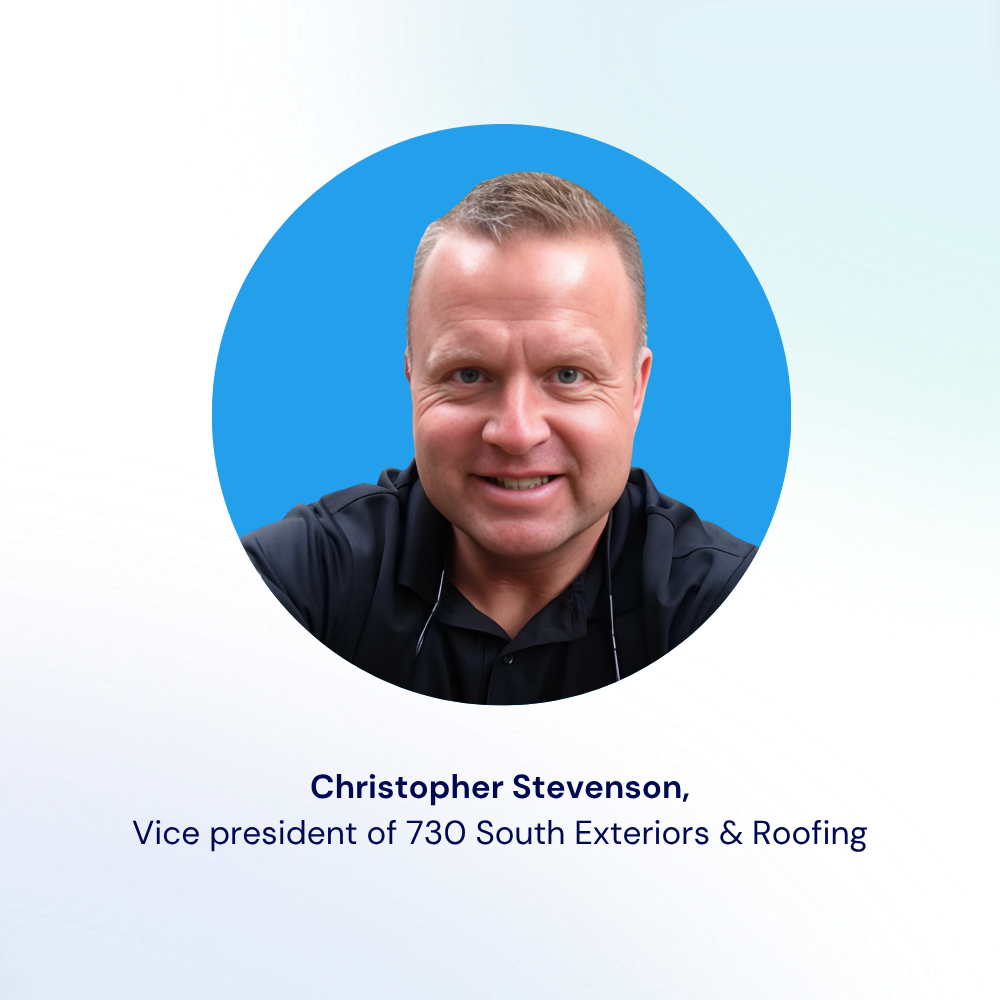
For Christopher Stevenson, Vice president of 730 South Exteriors & Roofing, the pressure of work does not end when the day does.
In industries like construction, the expectation to be constantly available is part of the job. Emails, calls, and site issues continue long after hours, creating a rhythm of work that rarely switches off.
“We deal with constant pressure to be ‘always on’—emails, calls and site issues don’t stop after hours.”
Over time, that constant demand begins to take a toll. Not always in obvious ways, but through sustained pressure that builds without pause.
He points out that much of this stress comes down to planning. Projects are often rushed without enough time or manpower, forcing teams to compensate. The issue is not willingness to work hard - it is the lack of structure that makes that work sustainable.
For him, leadership plays a critical role in changing this. Clear communication, realistic timelines, and leaders who step in to support their teams - not just delegates make a meaningful difference.
His perspective also challenges a common assumption about Gen X. There is a belief that they are less committed. In reality, the shift was never not about effort - it is about standards.
Gen X still values hard work, but not at the cost of burnout or poor management.
What stands out most is what he looks for in a workplace. Not statements or intentions, but action. Leaders who listen, take feedback seriously, and follow through. Because in the end, what builds trust is not what leaders say—it is what they do.
A Generation Shaped by Survival

For Matthew Clark, Founder and Lawyer, the way Gen X experiences stress is deeply rooted in how they grew up and the world they navigated along the way.
He describes a generation that learned independence early—coming home to empty houses, figuring things out without much guidance, and then stepping into adulthood during periods of constant uncertainty. Over time, that shaped a very specific relationship with stress.
“It honestly feels like a cold, familiar, hyper-vigilant dread. It feels like a survival reflex.”
That feeling stays consistent. It does not necessarily tie itself to questions of purpose or identity at work. It shows up as something to manage, push through and keep moving with.
This perspective carries into how he sees modern workplaces. One of the biggest frustrations is the pressure to appear busy rather than simply be effective. In environments already driven by billable hours, adding performative visibility only increases unnecessary pressure.
If the work is done well, there should be space to step away without needing to signal productivity.
He also reflects a more pragmatic view of work. Many Gen X professionals do not look to workplaces for validation or belonging. They value autonomy, competence and the freedom to do their work without interference.
What stands out in his view of a better workplace is simplicity. Fewer forced social activities. More trust in how people manage their time. Flexibility that focuses on outcomes rather than constant presence.
Because for this generation, credibility has already been earned and what matters most is being trusted to deliver.
What Gen X Is Really Asking For
Across these perspectives, a clear pattern emerges. Gen X does not experience workplace stress in ways that are always visible but that does not make it any less real.
It shows up in quiet endurance. In pushing through without drawing attention. In continuing to perform, even when the pressure builds over time.
This is a generation shaped by self-reliance. They learned early to figure things out, adapt, and keep going. That mindset has made them dependable, resilient, and often the steady core of organizations today.
But it has also meant that much of what they carry goes unnoticed.
What stands out is not a demand for more benefits or surface-level solutions. It is a call for better fundamentals.
- Clear direction.
- Realistic workloads.
- Thoughtful decision-making.
- Respect for time and focus.
They value workplaces where effort is acknowledged, where leaders think beyond immediate decisions, and where people are trusted to do their work without constant oversight.
There is also a strong push against performative culture. Being “always on,” appearing busy, or participating in forced engagement does not build trust. It creates noise, distraction, and unnecessary pressure.
Instead, Gen X leans toward something more grounded. Work that is intentional. Environments that allow space to think. Leadership that listens and follows through.
Perhaps the biggest misconception is that they are fine because they keep delivering. In reality, they are often carrying more than they show. And what they are asking for is not radical, just workplaces that understand how work actually gets done and what it takes to sustain the people doing it.

Improve Employee Retention


Power your people. Every day.
Our A.I. enabled solution allows the creation of interactive workflows, automates compliance requirements, and measurably improves engagement. Qualee is a diversity-led organization and our platform is offered in twenty of the world’s most widely used languages.


