


Generations at Work: Why Gen Z Is Challenging Burnout Culture

Generations at Work: Why Gen Z Is Challenging Burnout Culture
Gen Z entered the workforce already aware of burnout.
Unlike previous generations who often learned to normalize stress over time, Gen Z began their careers questioning it from the start. They came into work during a period shaped by uncertainty, digital overload, economic pressure and constant connectivity - experiences that changed how they think about work, wellbeing and success.
As a result, this generation approaches the workplace differently.
They are more likely to question unhealthy expectations, speak openly about mental health and challenge the idea that being constantly exhausted is a sign of commitment. To some, that can come across as unrealistic or overly demanding. But from their perspective, it’s about sustainability.
Gen Z wants meaningful work, growth and ambition. But they also want boundaries, flexibility, psychological safety, and leadership that feels honest and human. They are less willing to stay silent in environments that reward burnout, poor communication, or constant pressure to be “always on.”
At the same time, they are entering workplaces built around norms they did not create but are now being expected to navigate, adapt to and in many cases, challenge.
In this part of the series, we explore how Gen Z experiences workplace stress, what they believe leaders still misunderstand, and why their perspectives are pushing organizations to rethink long-standing assumptions about work culture today.
Recognition Matters More Than People Think

For Alexander J, Founder of Epic Trucking, workplace stress comes from more than workload alone. It comes from feeling like hard work no longer guarantees stability, growth, or even recognition.
He describes a mindset many Gen Z employees carry into work today - watching older generations push through difficult environments with the expectation that effort alone would eventually pay off, while growing up in a reality where that promise feels far less certain.
“Working harder doesn’t cut it like the older generations.”
That shift changes how Gen Z approaches work. Time matters differently. Flexibility matters differently. And being constantly busy is no longer viewed as something to aspire to.
He points to communication as one of the biggest daily frustrations. Being sent into situations without transparency or accurate expectations creates unnecessary stress and makes employees feel disconnected from the bigger picture.
At the same time, he values something many older generations may not fully understand - downtime. Not as laziness, but as space to recharge, think and invest energy into personal goals outside of work.
He also pushes back on one of the most common stereotypes about Gen Z: that they are lazy. In his experience, the issue is not a lack of work ethic, but a lack of incentive and recognition. When people consistently give effort without acknowledgment, motivation naturally fades over time.
For him, even small gestures matter. Recognition, appreciation and transparency send a message that people are valued not just for the work they produce, but for the effort they put in every day.
Clear Boundaries Create Better Work

Feeling appreciated can completely change how work feels day to day. For Jordyn Mihajlov, Paralegal at Andruzzi Law, stress builds quickly in workplaces where support feels inconsistent, expectations are unclear, and effort goes unnoticed.
Poor leadership, lack of flexibility, and work-life balance all contribute to that pressure, but one issue stands out most for her is feeling overlooked. When effort goes unrecognized, motivation begins to fade, especially for younger employees still trying to find confidence and stability early in their careers.
“Without appreciation and boundaries, burnout becomes inevitable.”
What reduces stress most, in her view, is something simple but increasingly important to Gen Z: boundaries. Clear separation between work and personal time creates space for people to recharge and show up more fully when they are working.
She also points to the importance of definitive roles within organizations. When responsibilities constantly shift or expectations are vague, employees are left trying to navigate uncertainty on top of their workload. Clear structure creates confidence, accountability, and a stronger sense of direction.
Like many Gen Z professionals, she also pushes back against the stereotype that her generation is lazy. More often, younger employees are looking for environments where effort feels valued and where communication is honest and consistent.
For her, the signals of a healthy workplace are straightforward - good communication, meaningful benefits and leaders who respect boundaries rather than expecting people to always be available.
Because for most of Gen Z, sustainability at work starts with feeling supported, respected and clear about where you stand.
Technology Helps But It Also Raises the Pressure

Technology has made work faster, but for many Gen Z employees, it has also made expectations heavier. For Victoria Zakovic, Sales and Merchandising Assistant at Dreamwearl, workplace stress is shaped not only by workload, but by the constant pressure to be more productive, more responsive, and more efficient at all times.
She describes how technology has become both a tool and a source of stress for Gen Z employees. While digital systems are meant to make work easier, they have also created an environment where people are expected to produce more in less time, even when the work itself still requires care, focus and consistency.
“Technology is a great tool but also adds different expectations.”
That pressure becomes even harder to manage when communication is unclear. In her experience, supportive leadership starts with good communication and clear instruction. Knowing that you can ask questions, seek guidance and understand expectations creates a sense of comfort that reduces unnecessary stress.
At the same time, she strongly values work-life balance and believes employees should be able to disconnect from work whenever possible. Bringing work home constantly creates mental exhaustion that eventually affects both wellbeing and performance.
Interestingly, she also pushes back against the idea that fully remote work is always the best solution. For her, stronger relationships and collaboration happen more naturally in hybrid or in-person environments where people can genuinely connect with one another.
Like many Gen Z professionals, she also challenges the stereotype that her generation is lazy. In her view, younger employees are simply looking for healthier and more sustainable ways to work.
And often, the smallest cultural signals - community events, connection and shared experiences make people feel like they truly belong.
Gen Z Wants Work to Fit Into Life Not Consume It
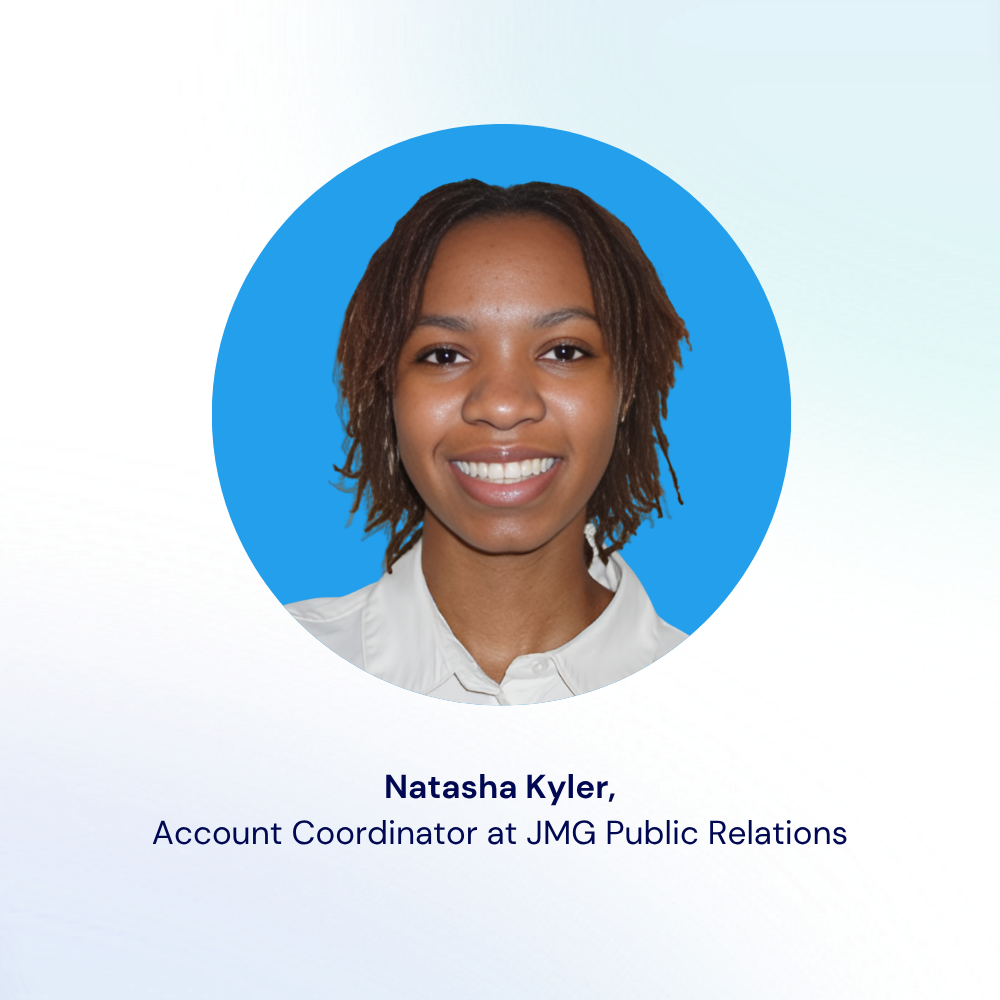
Burnout, for many Gen Z professionals, arrives faster and feels heavier than people often expect. For Natasha Kyler, Account Coordinator at JMG Public Relations, part of that comes from entering adulthood during a period shaped by disruption, uncertainty and constant change.
With COVID interrupting education and reshaping early experiences with work and routine, she believes her generation developed a very different relationship with stress. When pressure builds, the effects show up quickly - mentally, emotionally and physically.
“When we experience external stress, our bodies begin to shut down because we have no real tolerance to it.”
At the same time, her experience has shown how much leadership behavior can shape workplace wellbeing. Small but intentional efforts—daily check-ins, team recognition, open feedback systems, and even Summer Fridays—create a sense of connection that makes employees feel valued rather than overlooked.
For her, one of the biggest differences with Gen Z is how little interest they have in workplace politics. Direct communication matters more than hierarchy or power dynamics, especially in fast-paced environments where efficiency and collaboration are essential.
She also challenges the idea that a traditional 9–5 only takes up eight hours of a day. Between commuting and the mental weight work can carry, the line between work and life disappears quickly. That’s why flexibility and remote work matter so deeply to many Gen Z professionals - they create room for a life outside of work.
Like many others in her generation, she pushes back against the stereotype that Gen Z is lazy. In her experience, younger employees work hard when they feel trusted, heard, and connected to meaningful work.
And often, the strongest signal of that trust is simple: leaders creating space for employees’ ideas to genuinely shape the company.
Respect Is Felt in the Smallest Moments

Being early in your career often means entering environments where respect still feels tied to hierarchy. For Lucas Mihajlov, Assistant Golf Professional at Serket Golf Club, that dynamic shapes workplace stress more than many leaders realize.
Heavy workloads and poor leadership contribute to pressure, but what stands out most to him is the effect of poor communication and lack of recognition. When expectations are unclear or employees feel ignored, work becomes frustrating long before it becomes overwhelming.
“Leaders should show respect to employees at every level.”
That idea sits at the center of how he views workplace culture. Respect should not increase with seniority, and younger employees should not have to “earn” basic consideration before their perspectives or efforts are acknowledged.
For him, communication is one of the clearest indicators of whether that respect actually exists. Leaders who communicate desired outcomes clearly, provide support, and make employees feel included reduce stress significantly. Without that, people are left trying to interpret expectations while also managing pressure from the work itself.
He also challenges one of the most common assumptions about Gen Z—that they are lazy. In his view, many younger employees are willing to work hard, but disengagement happens when effort is consistently met with poor leadership or lack of appreciation.
What Gen Z is asking for is not complicated. Clear communication. More support. And workplaces where people feel valued regardless of where they sit in the hierarchy.
Because respect, especially in the smallest interactions, shapes whether employees feel motivated to stay engaged at all.
Challenging Burnout Culture Starts With Listening
Across these conversations, Gen Z’s perspective on work feels less like rebellion and more like awareness.
They are entering workplaces already conscious of burnout, already questioning unhealthy expectations and already thinking carefully about what work should realistically demand from a person. For many of them, stress does not come only from workload but it comes from poor communication, lack of appreciation, unclear expectations, constant availability and environments where respect feels conditional.
What stands out most is that Gen Z is not asking to care less about work.
They want to contribute. They want growth, recognition, stability, and meaningful careers. But they are also more willing to question systems that confuse pressure with productivity or exhaustion with commitment.
Boundaries matter to them. So does transparency. So does feeling respected, even at the earliest stages of their careers. And while older generations may sometimes interpret that as laziness or lack of resilience, many Gen Z professionals see it differently. They are trying to build ways of working that are sustainable, not only survivable.
There’s also a strong emphasis on communication throughout these perspectives. Leaders who communicate clearly, create psychological safety, recognize effort and genuinely listen reduce stress in ways perks alone never can.
Perhaps that is the biggest shift Gen Z is bringing into the workplace: the expectation that wellbeing, respect and performance should not compete with one another.
Because for this generation, a strong workplace culture is not defined by how much people are willing to sacrifice for work. It’s defined by whether people can succeed without losing themselves in the process.

Improve Employee Retention


Power your people. Every day.
Our A.I. enabled solution allows the creation of interactive workflows, automates compliance requirements, and measurably improves engagement. Qualee is a diversity-led organization and our platform is offered in twenty of the world’s most widely used languages.


