


Women Building High-Trust Workplaces: How Strong Leaders Turn Culture Into Action
Women Building High-Trust Workplaces: How Strong Leaders Turn Culture Into Action
By now, one thing is hard to ignore: strong workplace cultures are not built through words alone. They are built through action.
Across this series, women leaders have shared what trust looks like, how it is built and the leadership habits that help it grow. But knowing what matters is only part of the story. The real test is what leaders actually do with that knowledge — how they respond to feedback, how they create accountability, how they handle tension and how they turn good intentions into everyday practices that people can feel.
That is often where culture either deepens or starts to drift. A workplace can talk about trust, wellbeing and people-first values all day long, but employees pay closest attention to what happens in real moments: when challenges arise, when communication breaks down, when decisions need to be explained and when support is needed most.
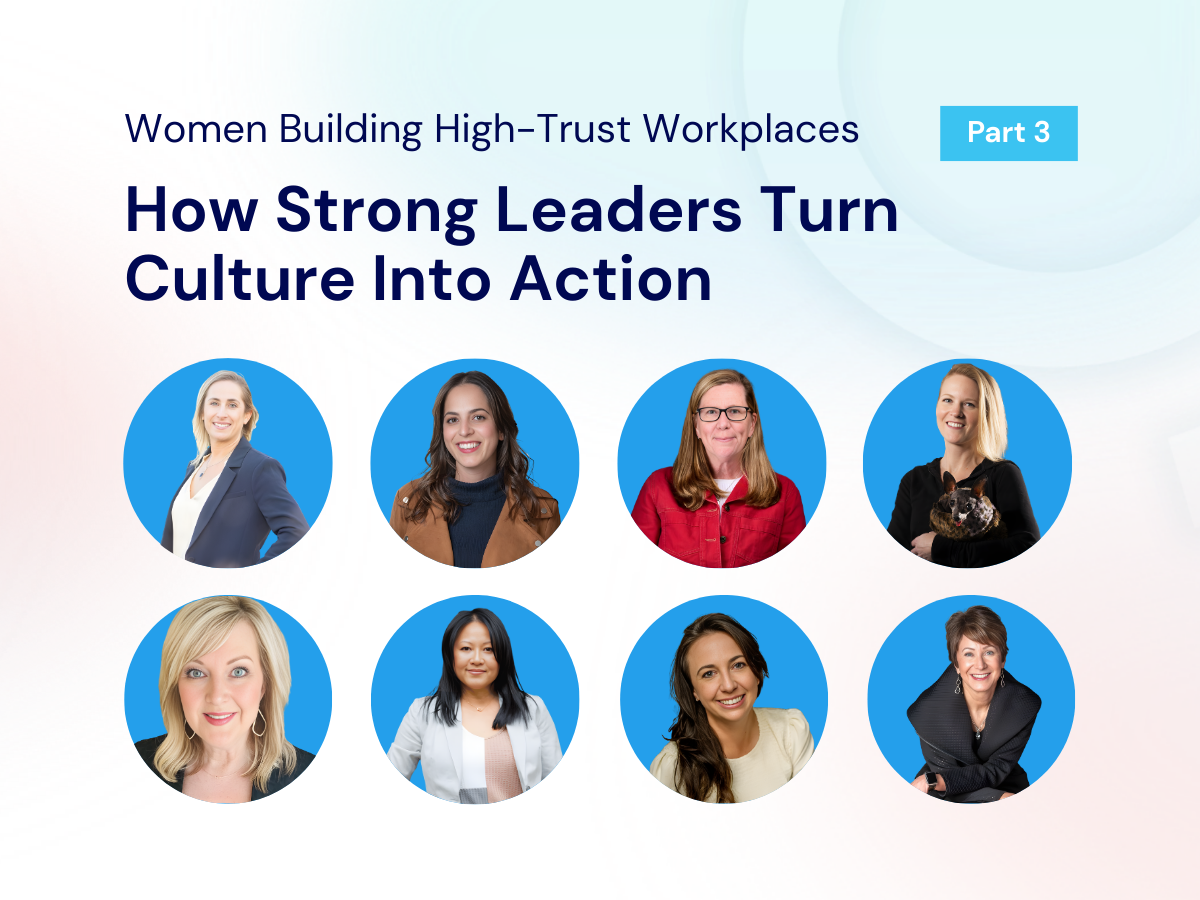
In this next part of the Women Building High-Trust Workplaces series, we look at how strong leaders turn culture into action — and the practical choices that help trust move from something an organization says it values to something people genuinely experience.
Turning Culture Into Something People Can Feel

For Remi Cohen, CEO of Domaine Carneros, culture becomes real when it is built into the way a company actually operates.
She describes a workplace where employee engagement and empowerment begin with visibility. Through open-book management, employees have access to the company’s financial performance and key metrics, creating a stronger sense of connection to the business and its goals. Regular company-wide huddles, leadership development, mentorship and cross-departmental programs all help turn culture from a set of ideas into something employees can actively experience.
Remi believes one of the biggest mistakes organizations make is failing to be intentional. Culture cannot sit outside the business as a separate initiative. It has to be woven into strategic planning, leadership behavior and the daily systems that shape how people work together.
For her, one of the clearest signs that culture is truly working is candor. It shows up when people are comfortable having difficult conversations directly, when junior employees feel safe pushing back in meetings, when people ask for help freely and when leaders are willing to be visibly wrong and own it. One practical habit she points to is recognition. Setting aside time in meetings for employees to acknowledge one another may seem simple, but over time it shifts how people see their own contributions and each other.
Her advice to future women leaders is equally grounded: “be your own best advocate.” Confidence matters, but the strongest kind is built by doing the work, continuing to learn and investing in the people around you.
When Support Is Real, Trust Gets Real Too
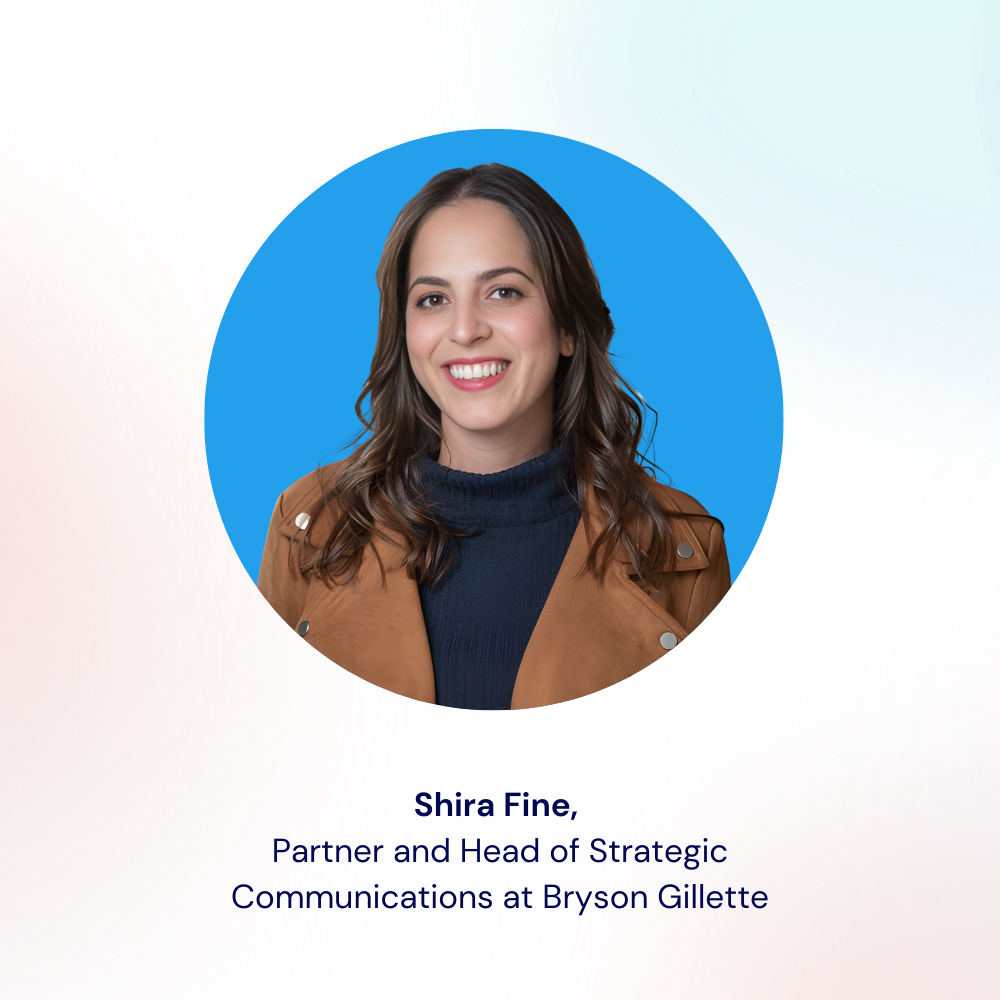
Some of the clearest leadership choices are the ones that actually cost something. That is part of how Shira Fine, Partner and Head of Strategic Communications at Bryson Gillette, thinks about building a high-trust, people-first workplace.
For Shira, culture is not a side program. It is the foundation. It shows up in who gets hired, who is given real responsibility and whether honesty is truly rewarded. She is clear that people can tell the difference between token opportunities and genuine trust.
One of the strongest signals of a healthy culture, in her view, is when people speak up early. If employees are willing to say they are struggling before things become a crisis, it means they have seen honesty met with support rather than punishment.
That is also why she believes leaders have to move beyond simply talking about culture. One practical step she points to is sitting down one-on-one with every person on the team, asking what support they need and then actually providing it. Trust is built when people see that leadership means what it says.
Her advice to future women leaders carries that same conviction: “build things. Do not wait for permission or a perfect path.” Start where you are and trust that doing good and doing well do not have to be at odds.
Clarity Builds Confidence

One leadership habit comes up again and again in strong cultures: clear communication. For Kerry Donoghue, Chief Operating Officer at Aptia, that means helping people feel seen, supported and fully aware of the value they bring.
She sees one of the biggest culture mistakes as failing to explain the “why” behind decisions. Even well-intentioned changes can unsettle people when communication is inconsistent or context is missing. But when employees understand the reasoning, they are far more likely to feel included rather than blindsided.
That same clarity matters just as much in growth and engagement. Kerry points to career pathing and communication as two of the biggest challenges organizations face today. People want to know what success looks like, where they are headed and how their work connects to the bigger picture.
For her, trust is visible in everyday behavior: leaders following through on commitments, information being shared openly and employees feeling safe enough to offer honest feedback without fear. One practical way to strengthen that trust, she says, is to start with listening sessions or small-group conversations, then act quickly on one or two achievable changes.
Her advice to the next generation of women leaders is just as direct: “take bold professional risks, trust your perspective and do not compromise the core beliefs that guide you.”
Leading with Humility, Not Ego

For Jme Thomas, Executive Director of Motley Zoo Animal Rescue, people-first leadership starts with a deep sense of humility. In her view, the moment a leader begins to believe they are more important than everyone else is the moment culture starts to break down.
She sees leadership as an act of service — putting the needs, aspirations and hopes of others ahead of personal ego and remembering that success is always shared. That mindset shapes the kind of culture she believes in: one where people feel heard, valued and genuinely supported.
What stands out in Jme’s perspective is how personal trust becomes. She describes it as being accountable to the people who rely on you, following through when they ask for help and noticing what they need before they even have to ask. Trust is there when people are not afraid to come to leadership and when leadership is never too busy to make time for them.
She also believes strong culture cannot be built through occasional seminars or one-off efforts. It has to be lived consistently, modeled from the top and woven into the everyday way an organization operates. When teams support one another, face challenges together and choose camaraderie over conflict, that is when people-first leadership is truly taking hold.
Her advice to future women leaders reflects the same spirit: be compassionate, genuine and human. In a world that often associates leadership with hardness, she believes real strength comes from how you make people feel and how well you help others rise alongside you.
Showing Up, Especially When Life Is Heavy

For Robin Phillips, CEO of Child Care Aware of Missouri, people-first leadership begins with something simple but powerful: showing up. Not just physically, but mentally and emotionally too.
Leading through constant change, she has learned that culture is strengthened in the everyday moments — checking in one-on-one, creating space for honesty and making sure people feel supported not only in their work, but in the life they carry outside of it. With multiple generations represented across the team, that support matters even more.
Robin is clear that culture starts at the top. If leaders are not willing to be vulnerable, admit mistakes, or say “I don’t know,” teams will not feel safe doing the same. That is why she values a culture where people help each other without hesitation, where there is no “that’s not my job” mindset and where trust is strong enough that employees feel comfortable walking into her office unannounced.
Her perspective on performance and wellbeing is especially personal. Having experienced deep loss in her own life, Robin knows firsthand how meaningful workplace compassion can be during hard seasons. For her, support and high performance are not opposites. People often want to do well — they just need grace while moving through what life brings.
Her advice to future women leaders carries that same grounded strength: “be kind, stay persistent and remember that every “no” may simply be bringing you closer to the right “yes.”
Removing Confusion So People Can Do Their Best Work
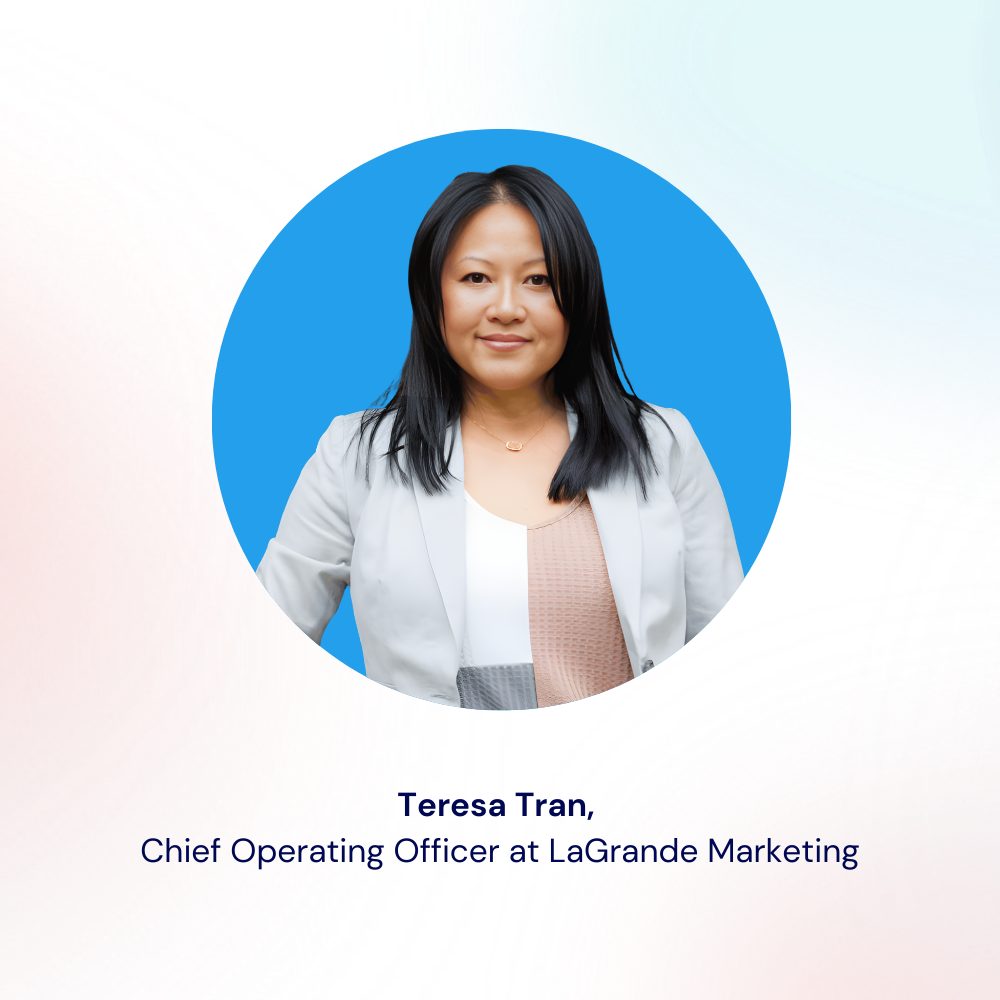
For Teresa Tran, Chief Operating Officer at LaGrande Marketing, a strong workplace culture starts with clarity. In her view, people work better when they are not left guessing.
That is why she puts so much emphasis on making performance metrics visible across the team. When people can clearly see how their work contributes to the bigger picture, accountability becomes more natural and less forced. It also reduces the stress that comes from uncertainty.
Teresa believes one of the biggest mistakes organizations make is assuming morale can be fixed through surface-level efforts while ignoring the confusion built into everyday work. For her, culture improves when workflows are clear, expectations are defined and employees have the tools and information they need to make decisions with confidence.
Trust, in her view, becomes visible when people feel safe enough to own mistakes right away, ask for help and keep moving without falling into blame. That kind of environment also creates more room for innovation, because people know support will still be there when things do not go perfectly.
Her advice to future women leaders is equally direct: “do not downplay your ambition or your accomplishments to fit someone else’s image of what leadership should look like.” Let your results speak clearly and build around yourself a strong circle of peers who will challenge and support your growth.
Building Work Around Real Life
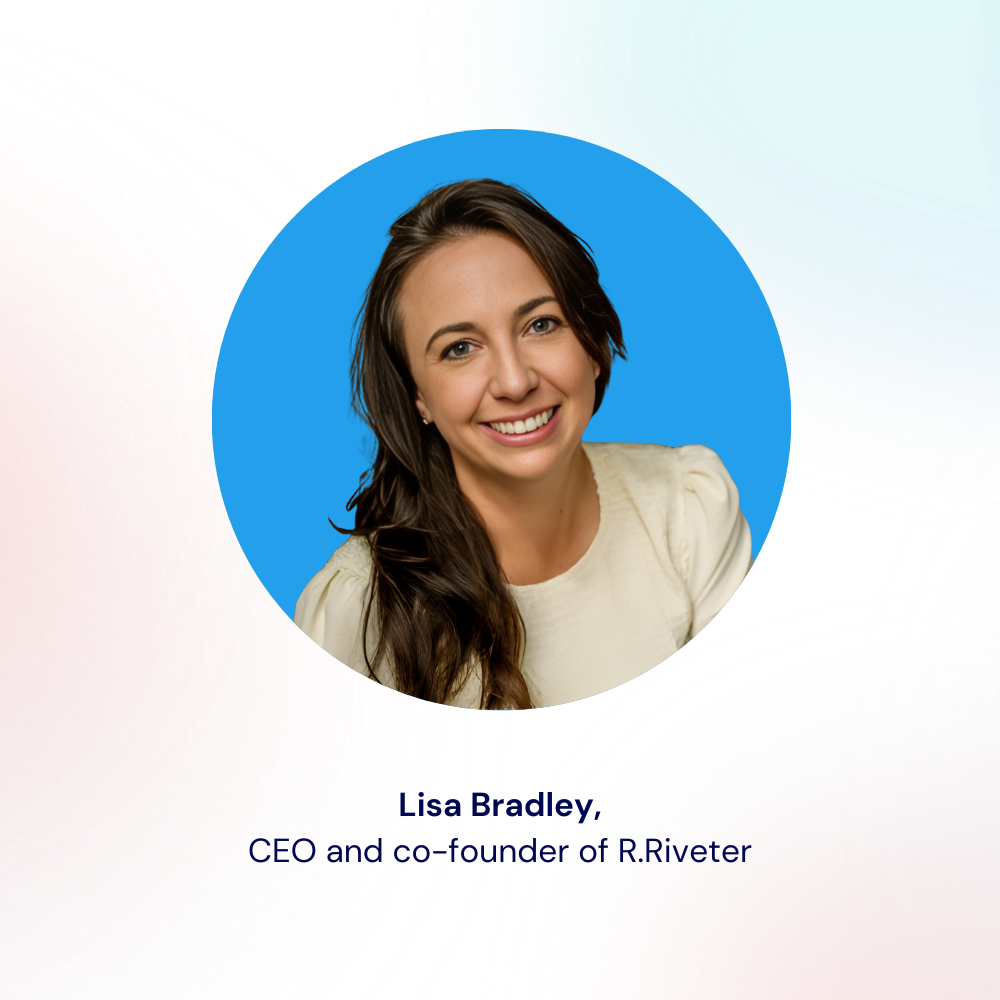
The heart of Lisa Bradley’s leadership story is deeply personal. As CEO and co-founder of R.Riveter, she built the company around a very real problem: the career disruption and unemployment so many military spouses face because of frequent moves.
That is why her view of culture feels so grounded in real life. For Lisa, a people-first workplace begins with flexibility, respect and understanding. It means creating work that fits people’s lives rather than asking people to constantly reshape their lives around work.
She is clear that culture cannot just be a slogan. If values are not reflected in daily decisions, people notice quickly. What matters more is whether employees feel safe to be themselves, share ideas openly and take ownership of their work without being judged.
Trust is especially visible in the way her company operates. With team members working remotely across the country, the model depends on people managing their time, owning their responsibilities and delivering high-quality work with accountability. That trust is not symbolic; it is built directly into how the business runs.
Her advice to future women leaders reflects that same spirit of action: “do not wait for permission. Start where you are, use what you have and build something that matters — both to you and to the community around you.”
Making Space for Others to Rise
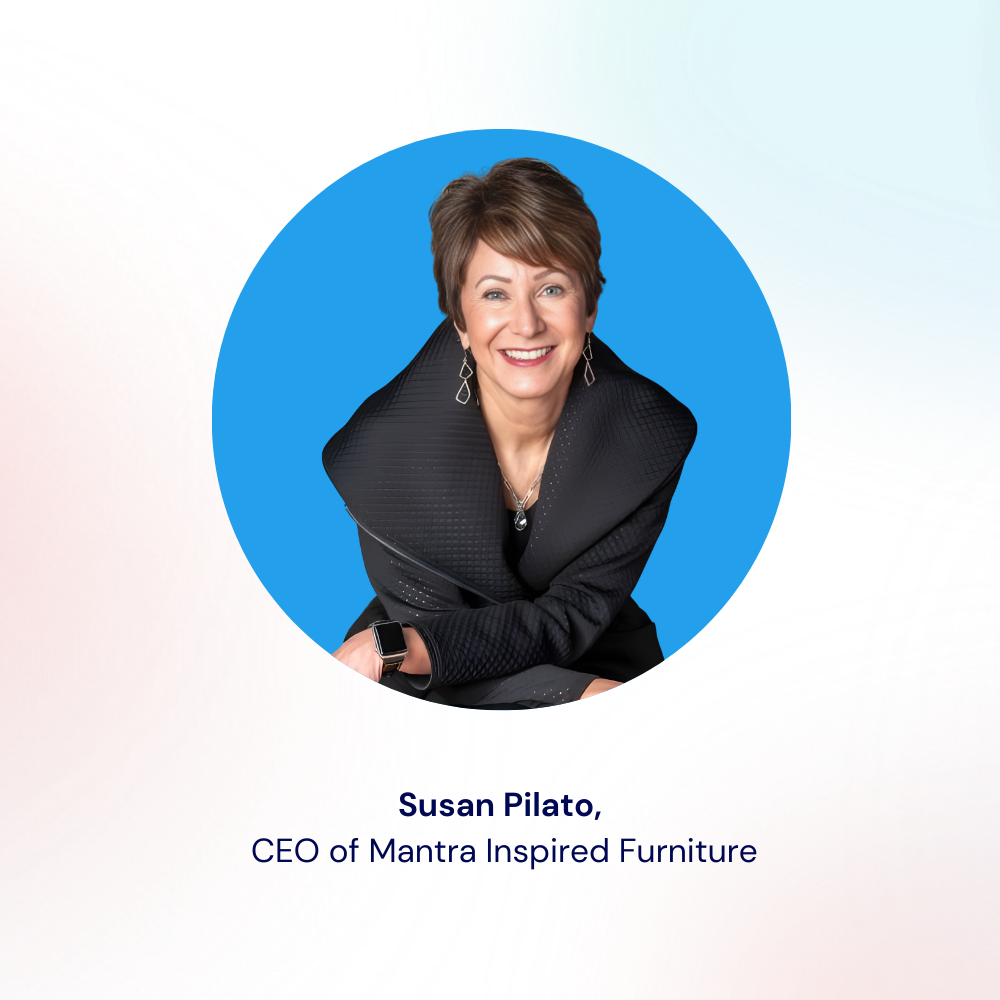
There is something deeply grounded in Susan Pilato’s view of leadership. As CEO of Mantra Inspired Furniture, she believes a strong culture is built when people are trusted to solve problems, use their strengths and grow through the way they handle challenges day to day.
That kind of trust, she suggests, does more than improve performance. It gives leaders a clearer understanding of how to mentor their teams and helps people build confidence in their own judgment. In healthy cultures, that support becomes visible in how people work together — not with a “that’s not my job” attitude, but with a natural instinct to ask, “How can I help?”
Susan also believes authenticity is non-negotiable. Programs and policies can only go so far if leaders do not bring their own honesty and consistency to the work. Trust, in her view, is built through transparency, follow-through and the willingness to admit mistakes and learn from them.
She sees leadership as something bigger than personal success. Her advice to women leaders is powerful and generous: “remember that you are not walking through the door for yourself alone.” You are helping shape what feels possible for the women coming behind you. So once you are in the room, hold the door open wider, make space at the table and bring others in with you.
What We Carry Forward
Building workplaces people trust does not happen through slogans, polished statements, or one-off initiatives. It happens through everyday choices — how leaders listen, how they communicate, how they show up when things get hard and how they make people feel along the way.
What these women remind us is that high-trust cultures are not built by accident. They are built with intention, courage, humility and care. They are built by leaders who make space for others, who lead with both strength and empathy and who understand that people do their best work when they feel seen, supported and valued.
As we celebrate International Women’s Day, this is what feels most worth carrying forward: not just recognition of women in leadership, but recognition of the kinds of workplaces they are helping create. Workplaces where trust is lived, not promised. Where people can grow without shrinking who they are. And where the next generation can step forward knowing there is space for them too.

Improve Employee Retention


Power your people. Every day.
Our A.I. enabled solution allows the creation of interactive workflows, automates compliance requirements, and measurably improves engagement. Qualee is a diversity-led organization and our platform is offered in twenty of the world’s most widely used languages.


