


Women Building High-Trust Workplaces: The Leadership Habits That Make It Possible
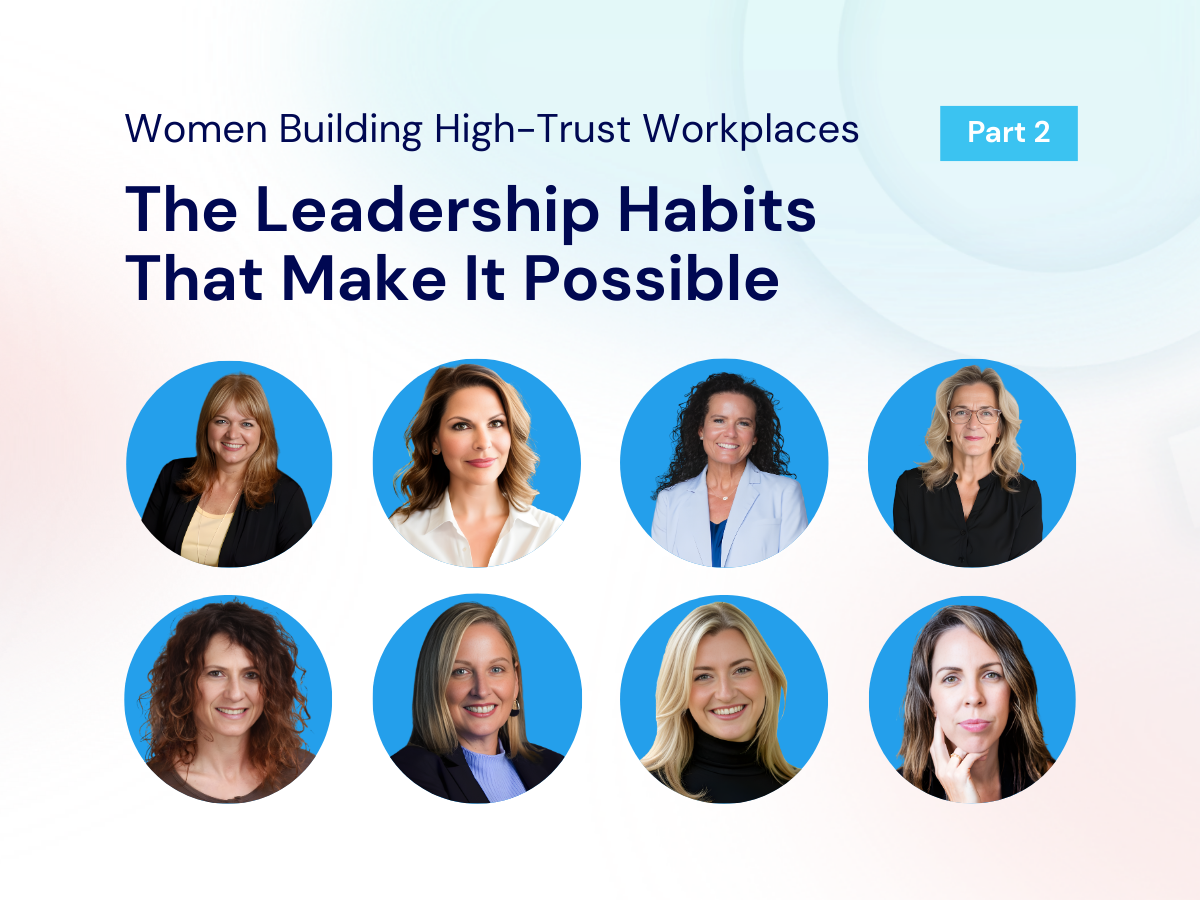
Women Building High-Trust Workplaces: The Leadership Habits That Make It Possible
Building a high-trust workplace is rarely the result of a single initiative or policy. More often, it grows from the everyday habits leaders bring into their interactions with others — how they listen, communicate, make decisions, and respond when things don’t go as planned.
In many organizations, trust isn’t lost through one major mistake. It fades slowly when communication becomes unclear, feedback goes unheard, or leadership behavior drifts away from the values the organization claims to uphold. In the same way, trust is built gradually through consistent actions that show people they are respected, supported, and trusted to contribute.
For women leaders who are shaping people-first cultures, these habits often center on clarity, empathy, accountability, and the ability to create space for honest conversations. They recognize that leadership is not just about directing work — it’s about creating environments where individuals feel safe to speak up, collaborate openly, and take ownership of their ideas.
In this next part of the Women Building High-Trust Workplaces series, we explore the leadership habits that make trust possible — and how thoughtful leadership behaviors can strengthen workplace culture in ways that policies alone never can.
Creating Space for Employees to Be Heard
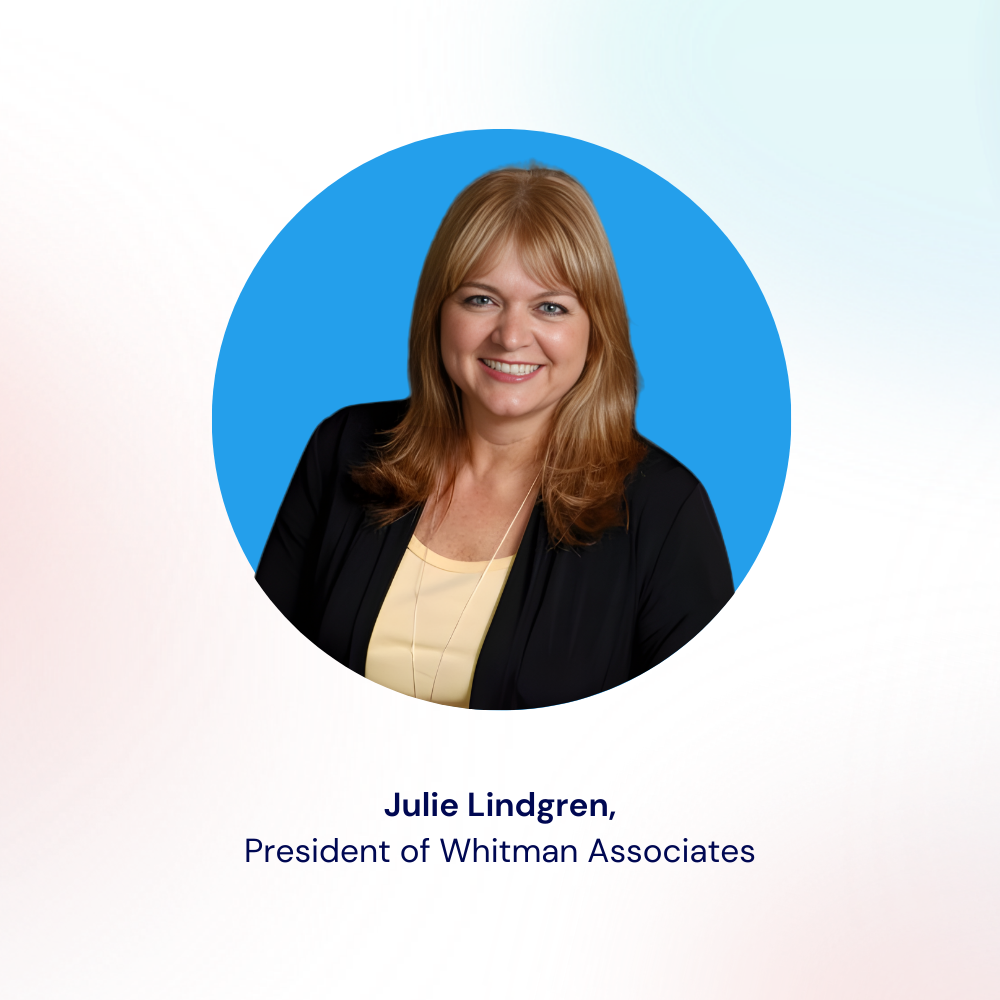
For Julie Lindgren, President of Whitman Associates, building a high-trust workplace starts with thinking about employees and how to make their work life more fulfilling while they earn a living.
That means creating opportunities for meaningful professional development, encouraging employees to share ideas through an open-door policy, and recognizing the talents each person brings to the team. Respect, honest feedback, and flexibility when life outside work requires attention all help employees feel supported and valued.
Julie believes one of the biggest mistakes organizations make is saying they value employee feedback but failing to act on it. Without genuine communication and follow-through, employees can quickly feel disconnected and undervalued.
In strong cultures, the difference is visible. Employees collaborate, support one another, and show dedication to their work. Trust also appears when leaders are able to release responsibility and avoid micromanaging, allowing employees to step up, contribute, and help the team succeed.
Julie also encourages the next generation of women leaders to stay persistent and surround themselves with hardworking, smart people. As she puts it, “if one door closes, look for another” — because persistence and perseverance ultimately pay off.
When Structure Creates Trust
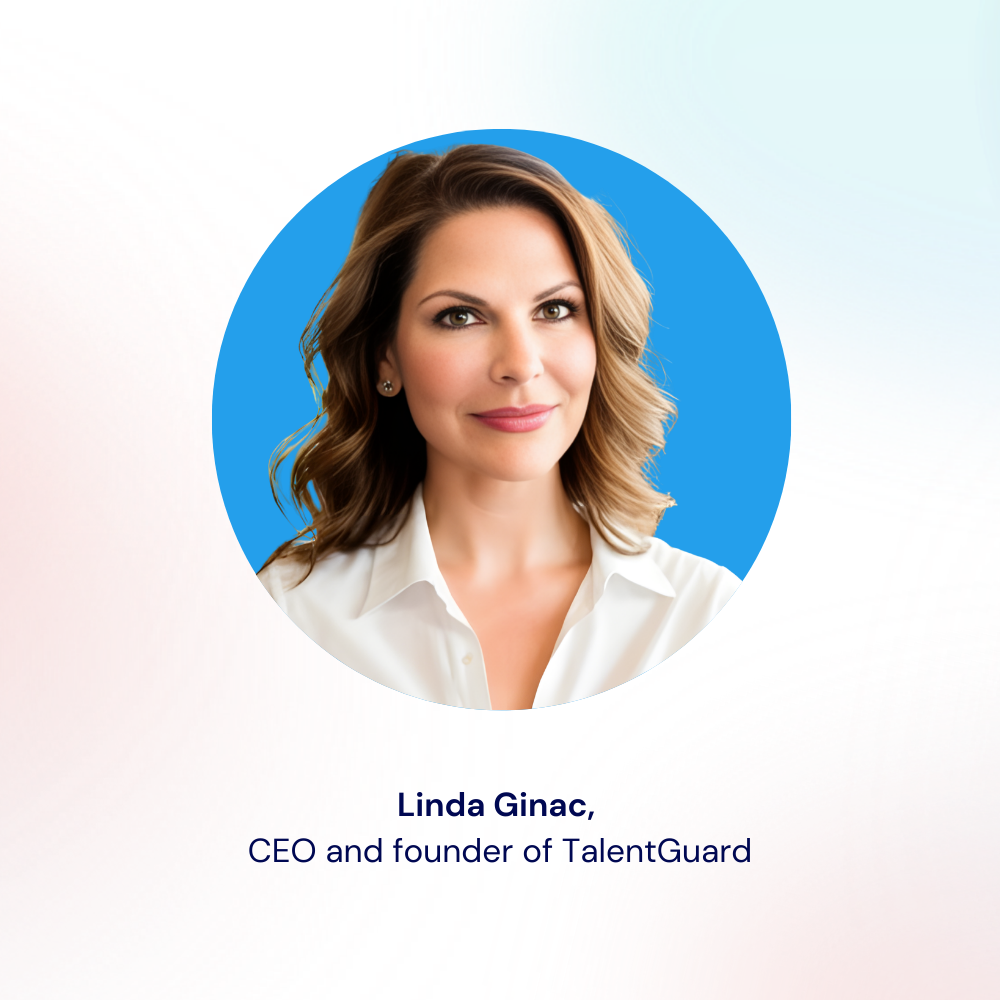
For Linda Ginac, CEO and founder of TalentGuard, high-trust workplaces are not built through slogans or perks. They are built through systems.
She believes people-first leadership shows up in how organizations define roles, deliver feedback, and invest in employee development. Expectations must be clear, accountability consistent, and growth intentional. In her view, culture is what gets operationalized, not what gets written in value statements.
One of the most common mistakes organizations make, she says, is confusing perks with principles. Team lunches and culture campaigns mean little if promotion decisions, incentives, and performance expectations are unclear. Systems always win over slogans.
In strong cultures, trust is visible in everyday behavior. People challenge ideas openly, debate strategy without fear, and still respect decisions once they are made. Leaders provide context behind decisions, and employees raise risks early instead of hiding them.
For Linda, building trust often starts with structure. When promotion criteria are explicit, expectations are documented and advancement paths are clear, fairness becomes visible.
Her advice to the next generation of women leaders reflects that same mindset: “build competence that compounds into confidence.” Learn how business works - capital, governance, strategy and don’t wait for permission to contribute to important decisions.
Culture Is Never “Done”
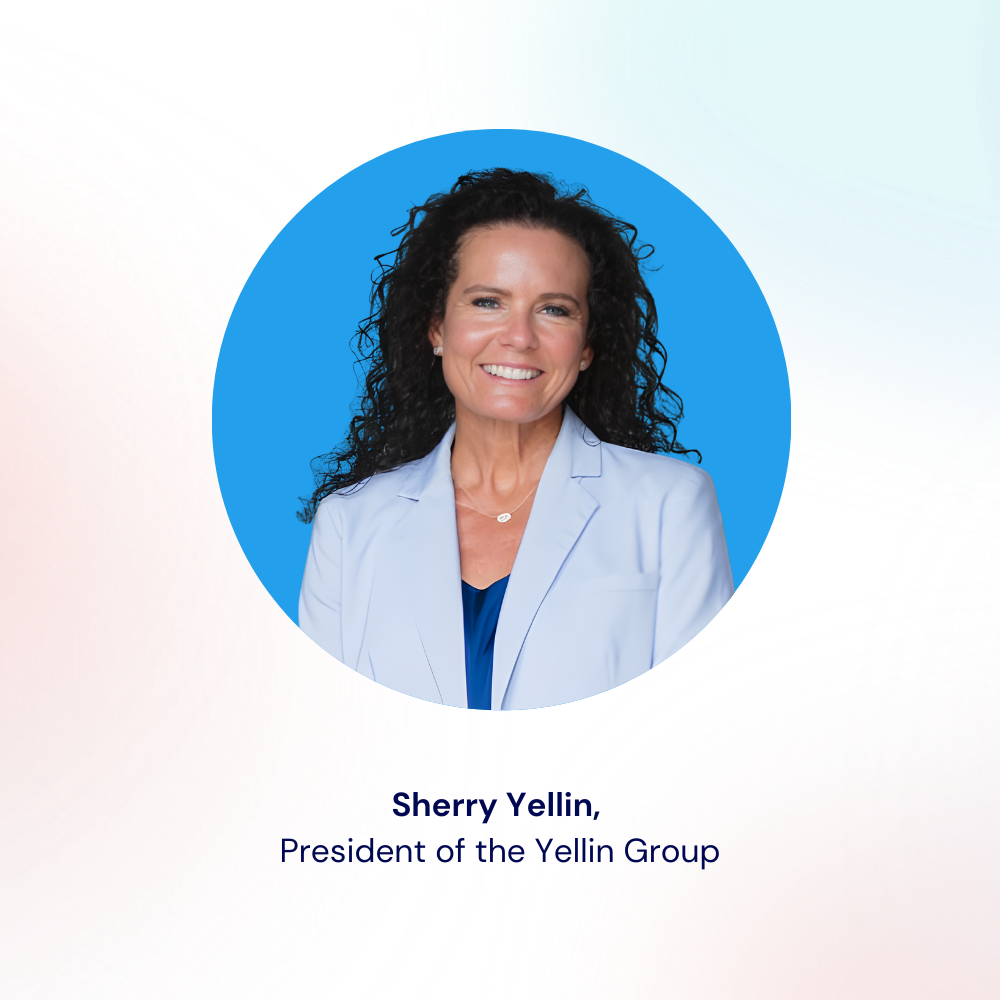
Workplace culture is not something organizations build once and move on from. According to Sherry Yellin, President of the Yellin Group, it requires continuous attention from leaders.
She believes one of the biggest mistakes organizations make is treating culture as a “one and done” initiative. Culture evolves constantly, and leadership remains the strongest influence on how it develops over time.
At the center of Sherry’s perspective is a simple idea: people and the human brain are the most important resource any organization has. When leaders align their actions with how people actually work and grow, stronger results naturally follow.
Trust, she explains, is built through clear expectations, candid feedback, involving employees in decisions that affect them, and consistently communicating the bigger “why” behind strategy.
One leadership habit she believes can have an immediate impact is listening. Sherry encourages leaders to regularly hold one-on-one conversations focused simply on understanding what matters most to their team members - their strengths, their goals and how the organization can help them grow.
Her advice to future women leaders is just as straightforward: “keep moving forward.” Challenges will arise, but persistence and belief in your purpose will always open another path ahead.
Trust Is Built in Daily Moments
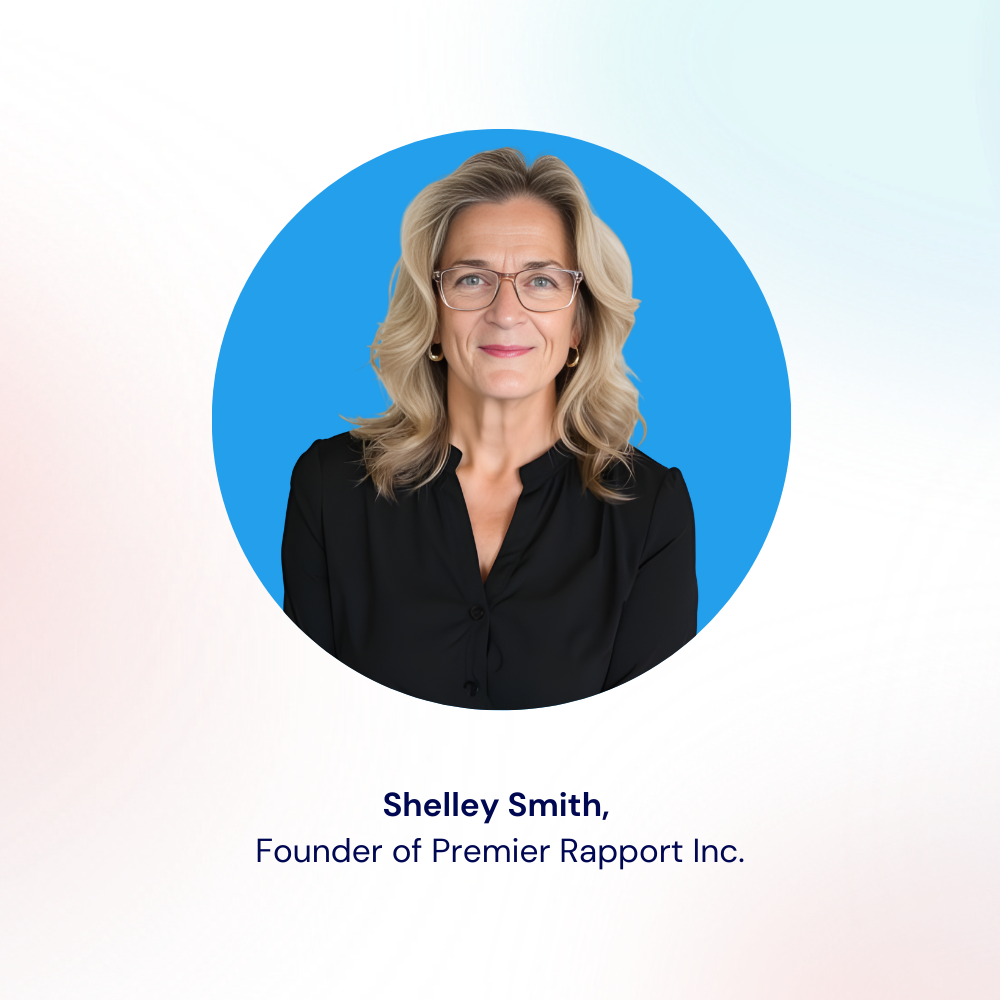
High-trust cultures are not built in big announcements or strategy decks. They show up in everyday interactions. For Shelley Smith, Founder of Premier Rapport Inc., leadership habits that build trust happen in the small, real-time moments between people.
She believes leaders must meet employees where they are—sometimes quite literally. Instead of calling people into the office, leaders should go out to their teams, listen carefully, confirm what they heard, and then take meaningful action.
Shelley often describes these moments as “hydrating” a workplace culture. Small daily interactions—conversations, problem-solving together, involving team members in decisions—act like droplets that keep a team engaged and energized. When those moments disappear, culture slowly becomes “dehydrated.”
Trust also becomes visible in how teams interact with one another. People greet each other naturally, share ideas openly in meetings, ask questions before taking action, and collaborate to solve problems. Ownership is clear, mistakes are acknowledged, and follow-through matters.
Her advice to the next generation of women leaders reflects that same spirit of confidence and support: “your ideas matter. Move forward with courage, bring other women with you, and make sure your voice is heard.”
Culture Lives in Repeated Behaviors
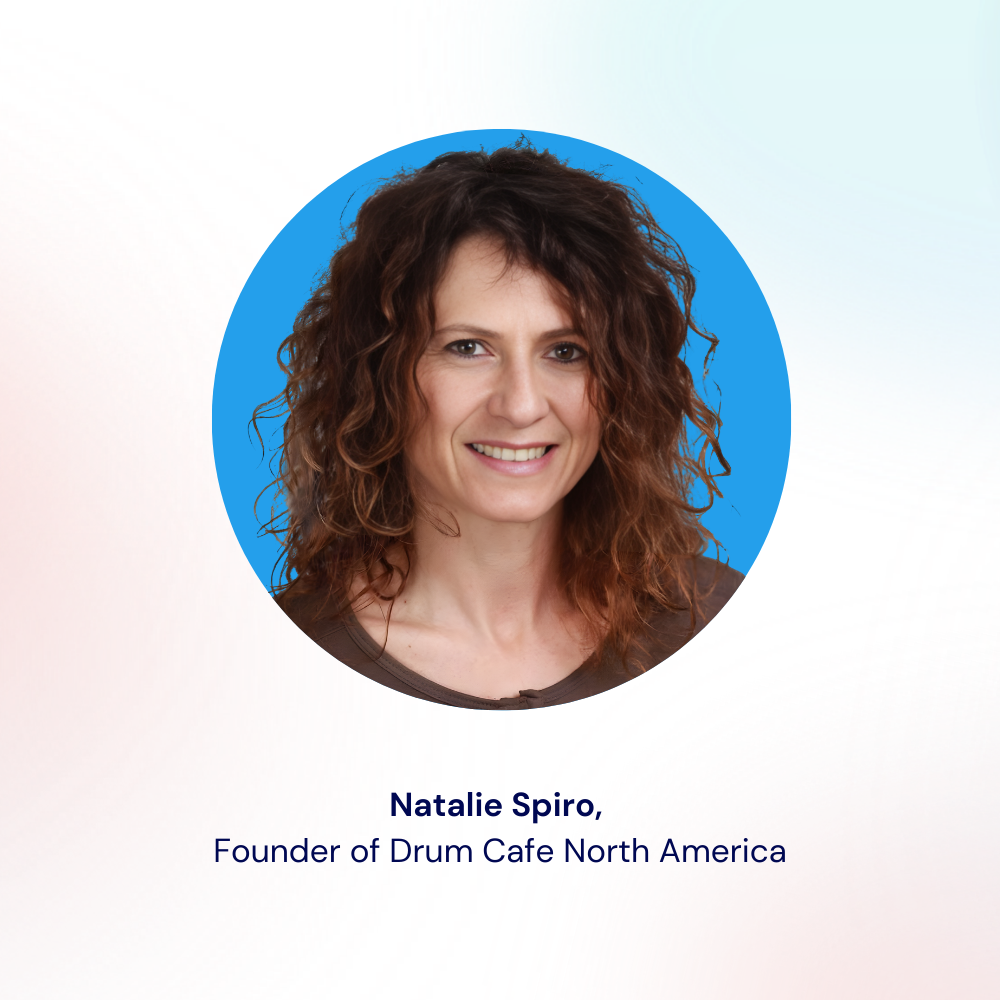
Culture isn’t created through posters or branding. It’s built through consistent behavior. That’s a perspective Natalie Spiro, Founder of Drum Cafe North America returns to often when talking about high-trust workplaces.
She believes a people-first culture must be structured, not symbolic. Leaders create trust by establishing clear expectations, maintaining open feedback loops, and building shared experiences that strengthen connection across teams.
At the heart of this approach is communication. When teams operate with consistent “rhythm”—regular conversations, ownership of responsibilities, and genuine appreciation—collaboration becomes more natural and sustainable.
One of the clearest signals of a healthy culture, Natalie says, is visible disagreement. When people feel comfortable challenging ideas respectfully during meetings, it shows psychological safety is present. Silence, on the other hand, is often a sign that people are holding back.
Trust also becomes visible in leadership behavior: admitting mistakes openly, giving teams accountability without micromanagement, and creating environments where concerns are raised early rather than ignored.
Her advice to the next generation of women leaders reflects the same mindset: “build competence first.” Confidence grows naturally when skills, clarity, and emotional resilience are developed over time.
Leadership Is Built in the Moments That Show You Care
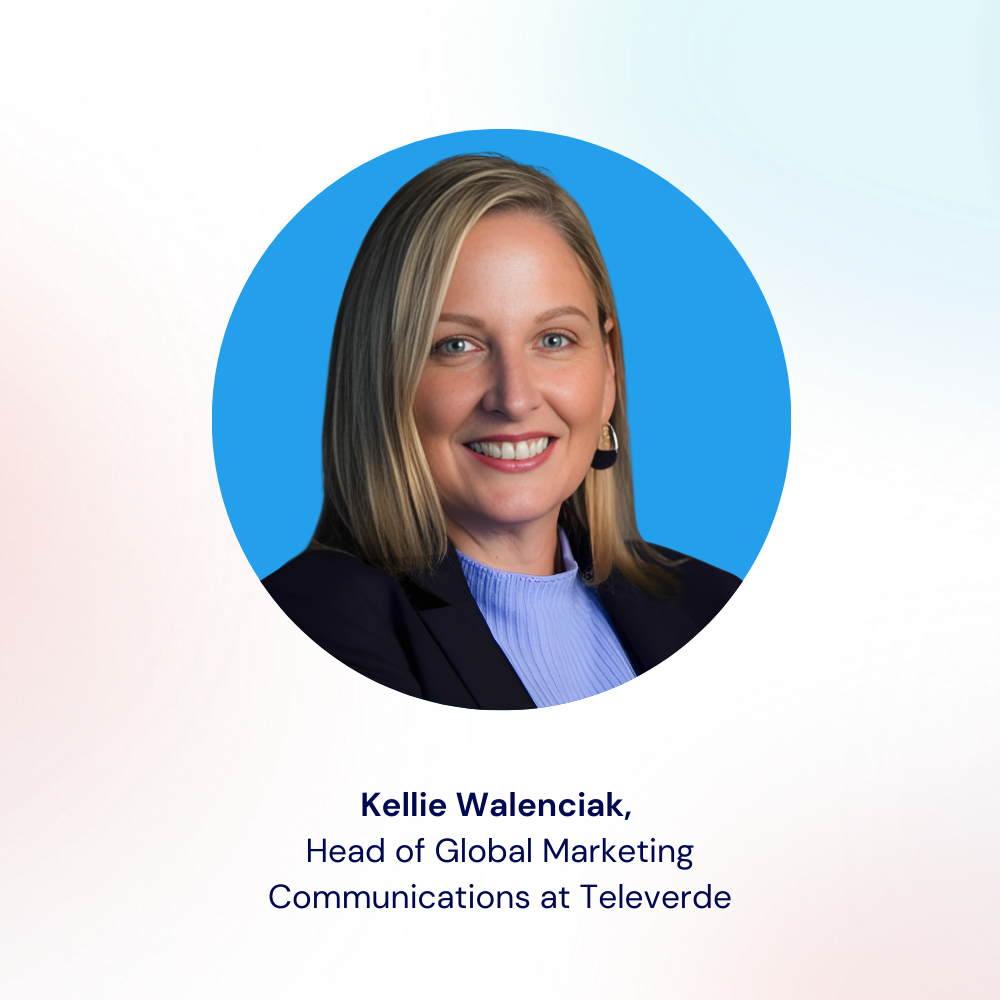
For Kellie Walenciak, Head of Global Marketing Communications at Televerde, a people-first culture isn’t something leaders “finish.” It’s something they nurture constantly.
She believes culture evolves as people, teams, and leadership change. What sustains it is consistent attention from leaders—knowing their people, following through on commitments, and holding standards without losing sight of the human being behind the work.
Kellie often reflects on the example of Herb Kelleher at Southwest Airlines, who was known for remembering thousands of employees by name and greeting them years later as if no time had passed. For her, that kind of care isn’t a tactic. It’s leadership. And it builds loyalty that no policy or compensation plan can manufacture.
She also believes one of the biggest mistakes organizations make is trying to improve culture everywhere except at the top. When leadership behavior doesn’t align with stated values, employees notice immediately. Culture is ultimately shaped by what leaders model every day.
One of the clearest signals of trust, Kellie says, is voluntary engagement. When people contribute ideas, speak up in conversations, and participate even when it isn’t required, it shows they feel safe, valued, and invested in the organization.
Her message for future women leaders reflects the same sense of responsibility: “support one another intentionally.” Real progress happens when women actively open doors, share opportunities, and help others step into rooms they may not yet be in.
Consistency Builds Credibility
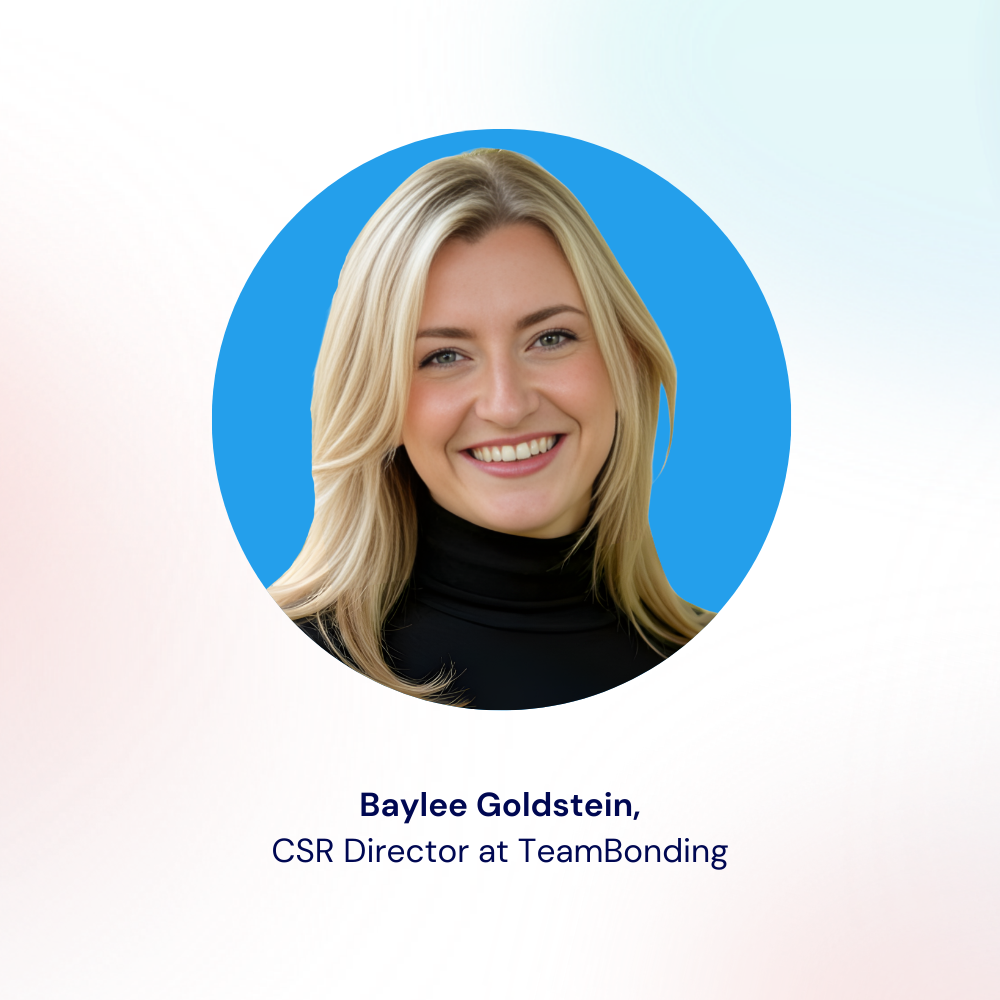
Culture doesn’t show up only during big initiatives or awareness moments. According to Baylee Goldstein, CSR Director at TeamBonding, the real test of a people-first workplace is how leaders show up the other 364 days of the year.
For Baylee, being people-first doesn’t mean putting business goals second. It means recognizing that people are the business. Strong cultures balance high standards with strong support—clear expectations, accountability, and performance alongside flexibility, development opportunities, and genuine respect for employees.
One of the biggest mistakes she sees organizations make is inconsistency. Culture can’t be seasonal. Employees quickly notice when support only appears during visible campaigns or special events. Trust is built through steady leadership behavior, clear communication, and leaders who follow through on what they promise.
Retention is one of the strongest signals that culture is working. Talented people have choices, Baylee notes. If they stay and continue growing within the organization, it usually means they feel valued, challenged, and supported.
For Baylee, leadership also comes with a responsibility to create environments where others can grow. Her advice to the next generation of women leaders is simple: “there is space for you. Show up prepared, speak up when you have something valuable to contribute, and trust that the right environments will recognize and support your voice.”
When Kindness Becomes a Leadership Discipline
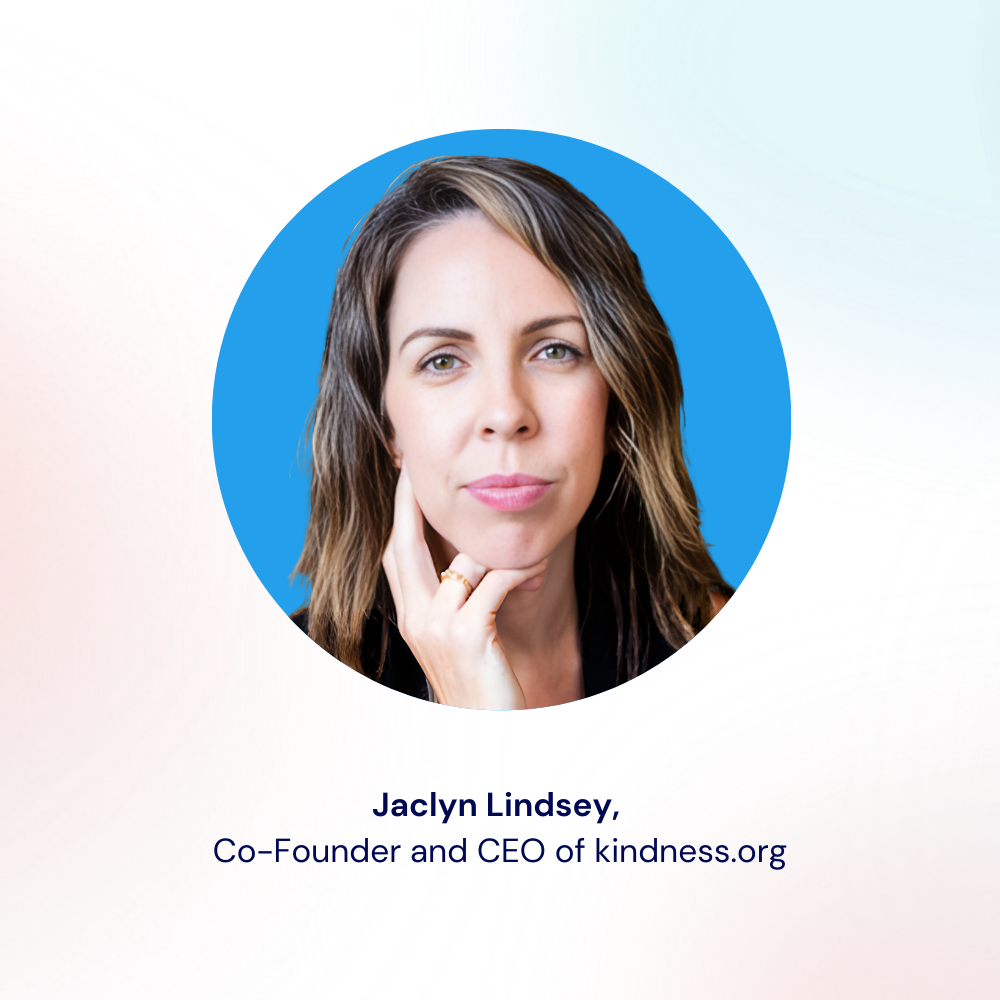
Kindness is often misunderstood as a soft leadership trait. For Jaclyn Lindsey, Co-Founder and CEO of kindness.org, it is anything but.
She describes a people-first workplace as one where kindness is operationalized—not through random acts, but through clear systems and measurable leadership behaviors. In practice, that means setting clear expectations, communicating thoughtfully, creating fair processes, and holding people accountable while still treating them with dignity.
Research supports the impact of this approach. Jaclyn points to growing evidence that when employees consistently experience prosocial behavior at work, performance, loyalty, and innovation improve.
One of the biggest mistakes organizations make, she says, is talking about kindness without defining it in concrete terms. Culture only shifts when behaviors are clearly articulated and tied to hiring, feedback, promotions, and performance systems. What gets measured gets reinforced.
In high-trust environments, candor and care coexist. Teams give honest feedback, difficult conversations happen with respect, and leaders keep their commitments. Over time, those consistent acts of reliability and kindness build trust that strengthens both culture and results.
Jaclyn’s advice to future women leaders reflects that philosophy: “don’t shrink your kindness to fit outdated models of leadership.” When kindness is paired with competence, data, and high standards, it becomes a powerful force for building trust and long-term impact.
The Leadership Habits Behind High-Trust Workplaces
Across these conversations, one message becomes clear: high-trust workplaces don’t appear overnight. They are built through the everyday habits leaders practice consistently.
It’s the leader who takes the time to listen before reacting. The manager who explains the “why” behind a decision. The team that feels safe enough to speak up, challenge ideas and admit mistakes without fear.
Again and again, these inspiring women pointed to habits that seem simple but are incredibly powerful when practiced consistently: showing up with care, communicating clearly, following through on promises, and treating people with both respect and accountability.
Trust doesn’t appear overnight. It grows over time through the way leaders show up for their teams and the way teams show up for each other. And when that trust exists, something shifts. People contribute more freely. Collaboration becomes easier. Talent stays and grows. Work stops feeling transactional and starts feeling meaningful.
Building a people-first culture isn’t about getting everything perfect, but about choosing, day after day, to lead in a way that values people as much as performance.
Because when leaders build trust, workplaces operate better. They become places where people truly want to stay and grow.

Improve Employee Retention


Power your people. Every day.
Our A.I. enabled solution allows the creation of interactive workflows, automates compliance requirements, and measurably improves engagement. Qualee is a diversity-led organization and our platform is offered in twenty of the world’s most widely used languages.


