


Women Building High-Trust Workplaces: What It Takes to Make It Last
.png)
Women Building High-Trust Workplaces: What It Takes to Make It Last
After all the insights, patterns, and lived experiences shared across this series, one thing becomes clear: building a high-trust, people-first workplace is not the hardest part.
Sustaining it is.
Because culture is not something you set and step away from. It shifts as teams grow, as pressure builds, as priorities change. What once felt natural can slowly become inconsistent if leaders stop paying attention to the small, everyday behaviors that made it work in the first place.
The women in this series have shown that trust is not built through big moments alone. It is reinforced in how leaders follow through, how they make decisions under pressure, how they handle mistakes, and how consistently they choose people alongside performance.
This final chapter is about what it really takes to keep that kind of culture alive — not just for a season, but over time.
Designing Trust Into the System

For Isabella Rossi, CPO at Fruzo, sustaining a high-trust workplace comes down to something many organizations overlook: systems.
Not surface-level initiatives or culture campaigns, but the actual structures that shape how people work every day. She believes people-first cultures are built when systems are designed to assume good intent, allow for honest mistakes, and prevent burnout before it starts — not after.
That shows up most clearly in how organizations respond to failure. In healthy cultures, mistakes are met with curiosity. In weaker ones, they trigger blame. That reaction, she notes, reveals more about culture than any policy ever could.
She also challenges how engagement is often measured. Activity doesn’t equal engagement. A full calendar or active Slack channel can easily mask quiet disengagement. What matters more is whether people feel safe enough to say “I don’t know,” to push back, or to step away without guilt.
For Isabella, trust is visible in those moments — when people stop performing busyness and start working with clarity and ownership. And sustaining that kind of environment requires constant recalibration, especially at the middle-management level, where culture is most deeply felt.
Her advice to the next generation of women leaders is just as direct: don’t dilute your voice to fit outdated systems. Build the kind of environments where that voice doesn’t need to shrink in the first place.
Culture Isn’t Built. It’s Practiced.
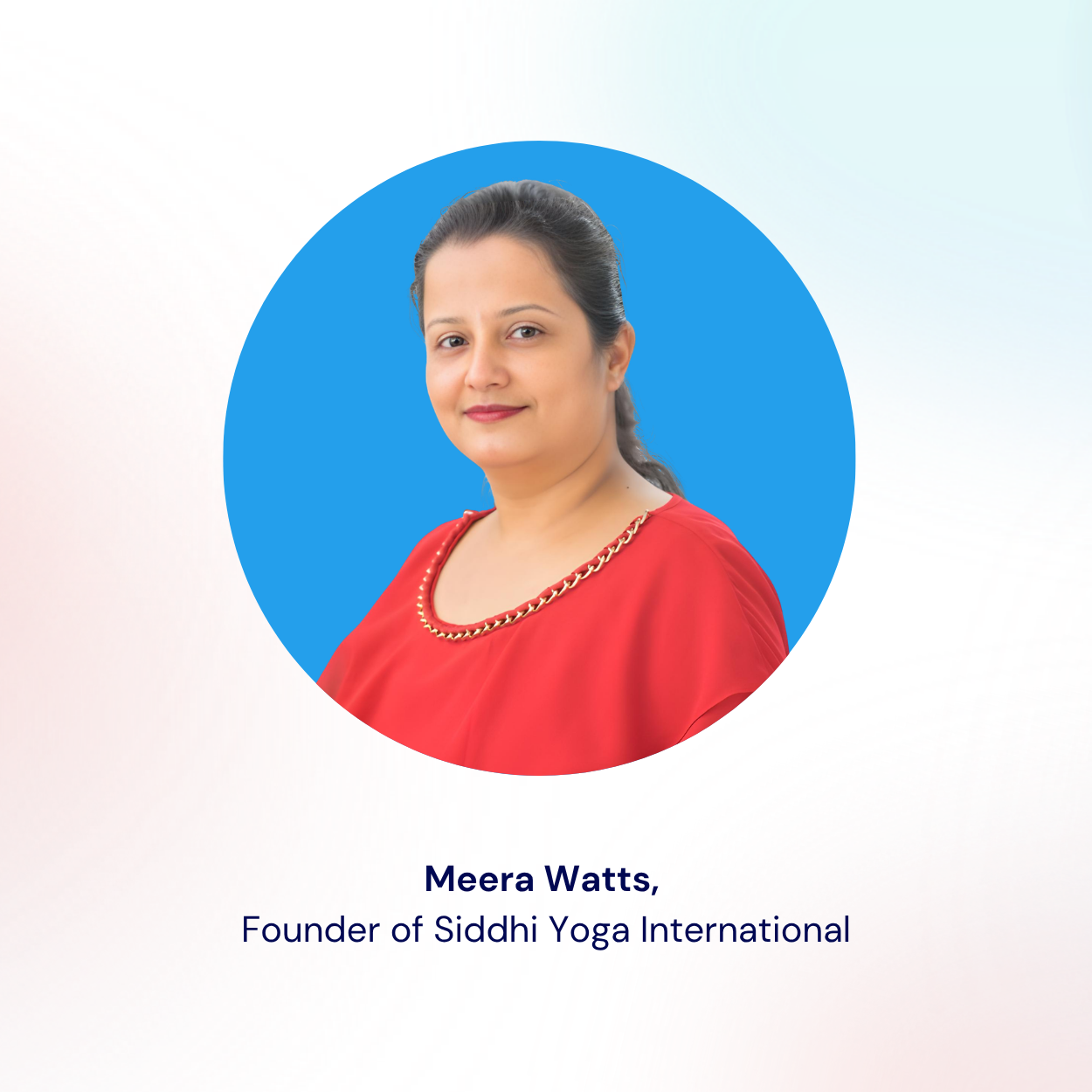
For Meera Watts, Founder of Siddhi Yoga International, culture isn’t something you build once. It’s something you practice — daily.
Drawing from yogic philosophy, she sees people-first leadership as deeply rooted in discipline, presence, and intention. Not in policies or programs, but in rituals and behaviors that are repeated consistently over time.
She’s clear about where many organizations go wrong: they treat culture like something to implement and observe, rather than something to live. But real culture, she explains, doesn’t show up in engagement scores. It shows up in behavior — especially when no one is watching.
Truth, in her view, is the strongest signal of trust. When people can speak openly without calculating the cost, when they stop bracing and start contributing fully — that’s when culture is working.
Sustaining that requires something many leaders struggle with: stillness. The ability to pause, listen, and respond intentionally instead of reacting. It’s why she emphasizes simple but powerful practices, like creating space to listen without immediately solving.
Her perspective reframes performance entirely. Without restoration, performance collapses. Without presence, engagement fades. And without grounding, leadership becomes reactive rather than intentional.
Her message to future women leaders is equally grounded: you don’t need to reshape yourself to fit existing models. The traits often dismissed as “soft” — patience, attunement, empathy — are not weaknesses. They are the foundation of lasting leadership.
Fix the Friction, Not Just the Feeling

Amy Hage, Co-Founder of Strategy Maven Agency, brings the conversation back to something simple but often ignored: reality.
For her, sustaining a strong culture isn’t about what leaders say — it’s about what they’re willing to address. Especially the uncomfortable parts.
She believes one of the biggest signals of a healthy workplace is whether people bring problems forward or keep them to themselves. When teams stop sharing bad news, culture is already slipping.
Too often, organizations try to fix engagement with surface-level solutions — events, surveys, perks — without addressing the actual friction people face in their work. But real culture, she argues, improves when leaders focus on removing those barriers and making work easier to navigate.
Trust, in her view, is built through consistency. It’s in the small moments — admitting mistakes early, speaking up without hesitation, addressing issues before they escalate.
And sustaining that kind of culture requires honesty from leadership. Not just in communication, but in action. It means asking a harder question: what are we tolerating that we shouldn’t be?
Her advice to future leaders is grounded and practical — don’t wait until you feel ready. Start where you are, speak up, and stop minimizing yourself to fit into spaces that weren’t designed with you in mind.
Consistency Is What Builds Trust

Jennese Grullon, President & COO at Managed Services Group, sees culture as something leaders either actively build — or unintentionally weaken.
For her, sustaining a high-trust workplace comes down to consistency. Values only matter when they are reflected in daily behaviors — in how leaders communicate, follow through, and show up for their teams.
She emphasizes that engagement doesn’t decline because people stop caring. It declines when clarity disappears. When priorities shift too often, when communication breaks down, or when people lose sight of how their work connects to something meaningful.
In strong cultures, that connection remains clear. People grow, they stay, and they contribute because they understand both their role and their impact.
Trust, she explains, is built through follow-through. Not just transparency in decisions, but accountability in action — especially during difficult moments.
What stands out most in her approach is a deep sense of responsibility. Leadership, for her, isn’t abstract. It’s personal. It’s about recognizing that decisions affect real people, their growth, and their livelihoods.
And for the next generation of women leaders, her message is simple: step forward before you feel fully ready. Confidence isn’t a prerequisite for leadership — it’s something built through it.
Alignment Between Words and Actions

Erica Ellison, Founder of CoreSight HR Solutions approaches culture with clarity and structure.
For her, sustaining a high-trust workplace isn’t about lowering standards — it’s about aligning them. Clear expectations, consistent leadership behavior, and transparency create an environment where people know what success looks like and how to achieve it.
One of the biggest risks she highlights is misalignment. When leaders say one thing but model another, culture breaks down quickly. Employees don’t follow statements — they follow behavior.
She also challenges how organizations handle feedback. Collecting data isn’t enough. What matters is what happens next. When leaders close the loop — showing what was heard, what’s changing, and who is accountable — trust strengthens.
Her view of trust is grounded in action. It’s visible in how conflicts are handled, how feedback is shared, and how leaders show up during uncertainty.
And sustaining that requires discipline. Not just in systems, but in leadership itself — staying visible, consistent, and accountable over time.
Her advice to future women leaders reflects that same clarity: build real expertise, hold your standards, and choose environments that recognize your value.
Listening Is Where Culture Begins

For Kaitlin McCarthy and Hilary Gallin, Co-Founders of ARX, culture begins with listening — and it stays there.
Their company was built by paying attention to what women in the field actually needed, and that same mindset shapes how they lead. Decisions aren’t made in isolation. They’re grounded in real experiences and continuous feedback.
They’re clear about what doesn’t work: treating culture as messaging. No handbook or value statement can replace what people experience in practice — especially when it comes to whether their voices are heard.
A strong culture, in their view, is one where feedback flows freely and leads to action. Where people feel comfortable being honest, even when that honesty is critical.
They also emphasize purpose as a key driver of engagement. When people understand how their work contributes to something meaningful, participation becomes natural — not forced.
Trust, for them, shows up in transparency, accountability, and responsiveness. And sustaining that trust requires something simple but often overlooked: acting on what people share.
Their message to future leaders is rooted in action — if you see a gap, don’t wait. Build the solution.
Trust Starts With How You See People
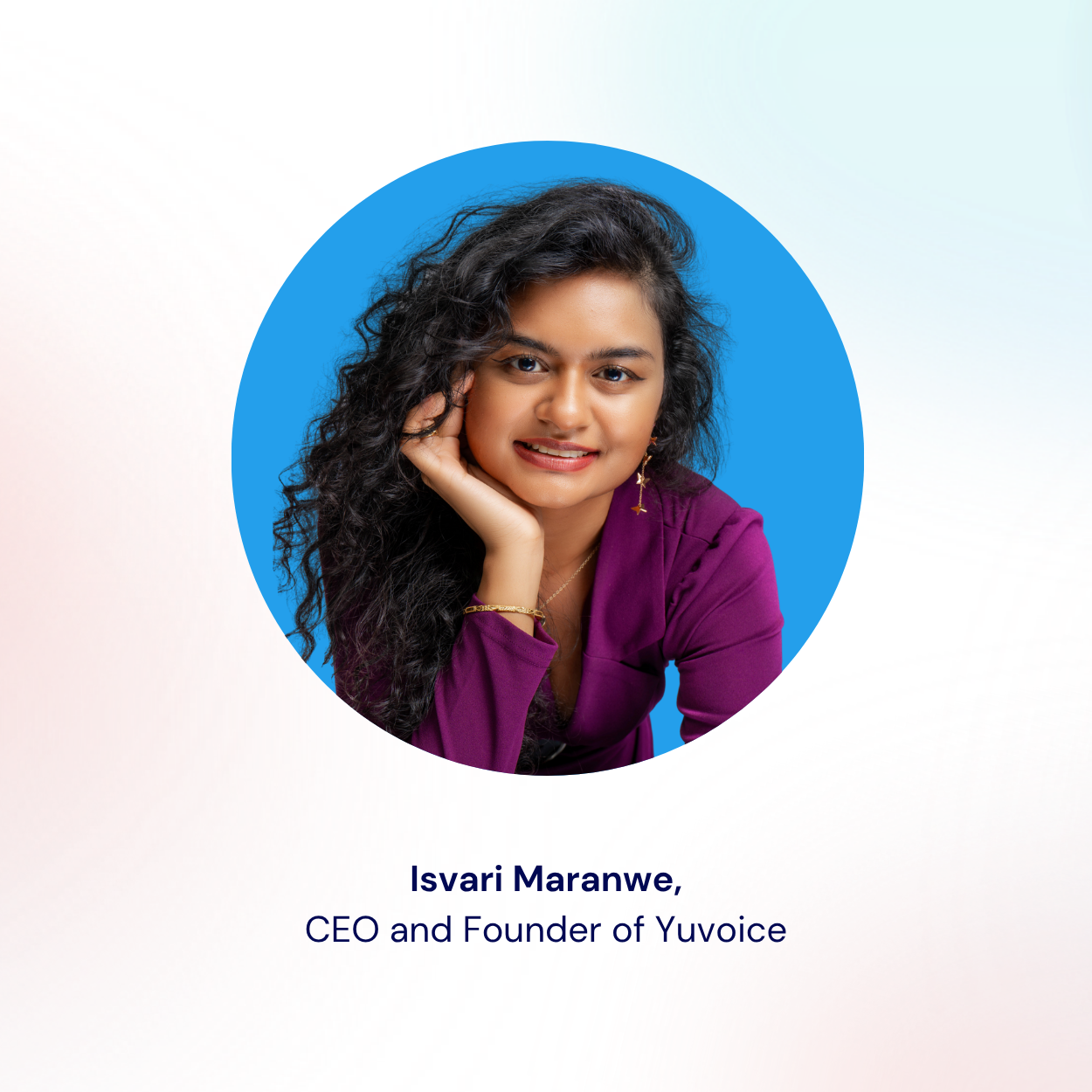
For Isvari Maranwe, CEO of Yuvoice, sustaining a high-trust workplace starts with a fundamental shift in mindset: people are not resources. They are partners.
She views organizations as shared journeys — where both the company’s success and individuals’ growth are intertwined. And when that perspective is missing, trust erodes quickly.
She’s candid about what many workplaces get wrong. They expect loyalty without offering it. They demand trust without giving it. And in doing so, they create environments where people feel transactional rather than valued.
In contrast, strong cultures allow for disagreement. Not just surface-level input, but real, honest challenges to leadership — without fear of consequence.
Trust, she explains, comes from transparency. From making sure people understand how decisions are made, where the organization is going, and how they fit into that journey.
Her perspective also reframes wellbeing. It’s not separate from performance — it’s what enables it. When people feel connected to meaningful work, engagement follows naturally.
Her message to women leaders is both empowering and grounding: you don’t need permission to lead. And you don’t need to limit yourself to what others believe is possible.
What We Carry Forward
Across this series, one thing has become impossible to ignore: high-trust, people-first workplaces are not built through grand gestures or one-time initiatives. They are shaped quietly, consistently, in the everyday choices leaders make.
- In how they listen.
- In how they respond under pressure.
- In how they design systems, not just statements.
These women have shown that culture is not a layer added on top of business. It is the business. It determines how people show up, how they grow, and whether they choose to stay and build something meaningful together.
And perhaps most importantly, they’ve reminded us that there is no single way to lead well. Strength can look like clarity. It can look like empathy. It can look like discipline, honesty, or the courage to do things differently. But what connects all of it is intention.
Because the workplaces people actually want to be part of are not perfect. They are human. They are evolving. And they are led by people who are willing to keep showing up, learning, and choosing better — again and again.
That’s what builds trust.And that’s what makes it last.

Improve Employee Retention


Power your people. Every day.
Our A.I. enabled solution allows the creation of interactive workflows, automates compliance requirements, and measurably improves engagement. Qualee is a diversity-led organization and our platform is offered in twenty of the world’s most widely used languages.


