


Focus Under Pressure: Workplace Lessons from the F1 Grid
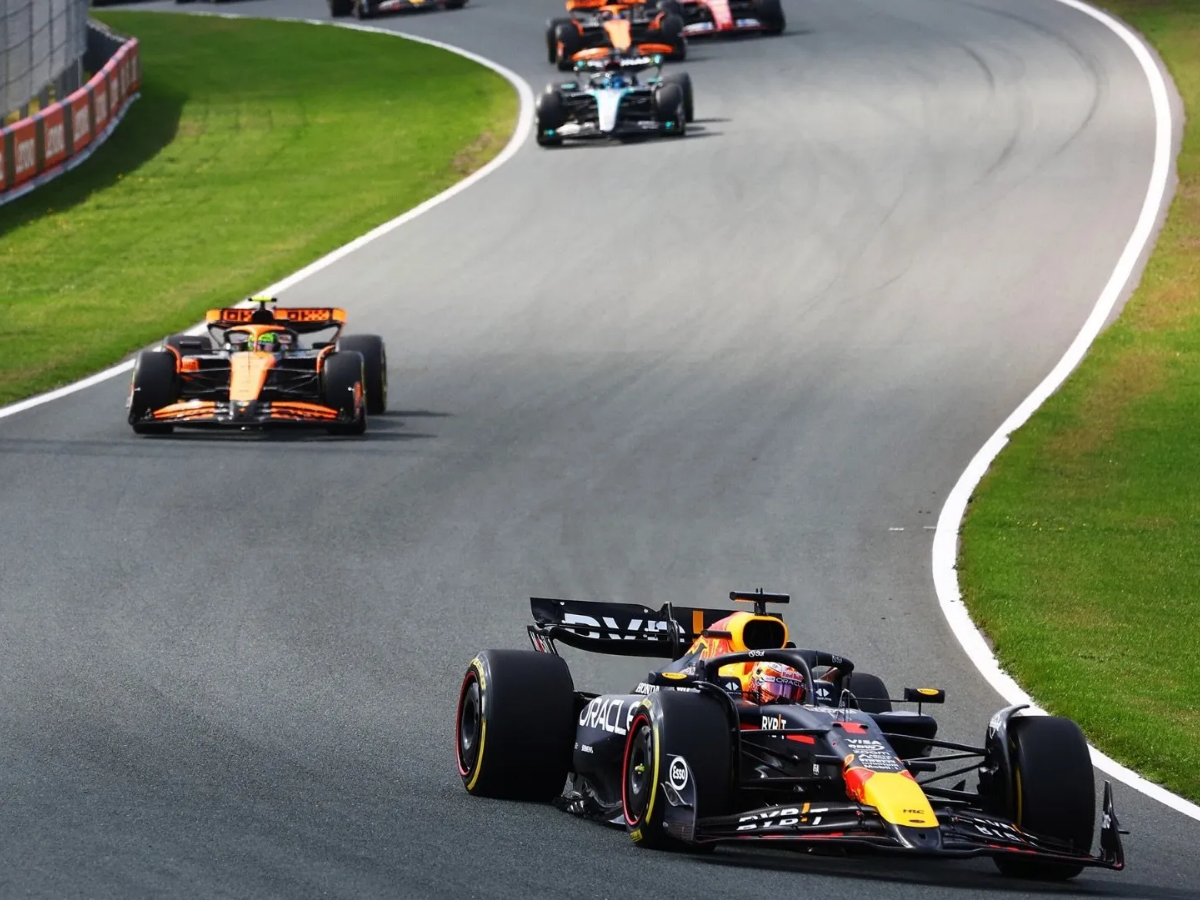
Focus Under Pressure: Workplace Lessons from the F1 Grid
Formula 1 is built around pressure. Drivers make decisions at extraordinary speeds, engineers interpret streams of data in real time, and entire teams coordinate around moments where a fraction of a second can influence the final result.
Yet the strongest performances rarely come from simply moving faster. They come from staying focused when everything around you is moving quickly.
The workplace may operate at a very different speed, but the principle is surprisingly similar. Tight deadlines, unexpected challenges, changing priorities, important client conversations, and high-stakes projects can all create moments where teams need to think clearly while the pressure rises.
The ability to stay focused under pressure is a valuable workplace skill. And like an F1 team preparing for race day, organizations can create the conditions that help people perform at their best when it matters most.
Preparation creates confidence
Race day might be the most visible part of Formula 1, but much of the performance has already been shaped before the lights go out.
Drivers study the circuit. Engineers analyse data. Teams practise pit stops repeatedly. Strategies are discussed, tested, and adjusted long before the car lines up on the grid.
That preparation creates confidence when decisions need to happen quickly.
The same principle applies at work. Employees can respond more effectively to pressure when expectations, responsibilities, and priorities are already clear. Teams that understand what success looks like spend less energy trying to work out what they should be doing when circumstances become demanding.
Clear processes, accessible information, strong onboarding, and regular communication all contribute to that preparation. They create a foundation employees can rely on when the pace suddenly increases.
Focus starts with knowing what matters most
An F1 driver has an enormous amount of information available during a race. There are lap times, tyre temperatures, gaps to competitors, weather conditions, battery levels, strategy updates, and messages from the pit wall.
The skill lies in knowing which information matters at that particular moment.
Employees face their own version of this challenge. Emails arrive while meetings fill the calendar, messages appear across different platforms, deadlines overlap, and new requests can quickly compete for attention.
Clear priorities help people filter that noise.
When leaders communicate what matters most, employees can direct their attention towards the work with the greatest impact. Instead of treating every task as equally urgent, teams can make thoughtful decisions about where their time and energy should go.
Focus becomes much easier when the destination is clear.
Calm communication keeps teams aligned
Some of the most recognisable moments in Formula 1 happen over team radio. A driver may be travelling at more than 300 kilometres per hour while an engineer delivers information in a short, precise message.
There is very little room for unnecessary complexity.
Workplace communication under pressure benefits from the same clarity. When a deadline is approaching or circumstances change quickly, long chains of messages and unclear instructions can make it harder for employees to understand what needs to happen next.
Simple communication can make an enormous difference.
What changed? What matters now? Who owns the next step? What support is available?
When teams can answer those questions quickly, people spend more energy solving the situation and less energy interpreting it.
Leaders also set the emotional tone. Calm, clear communication can help employees approach demanding situations with greater confidence and perspective.
Strong teams trust each other's roles
An F1 driver may be the person crossing the finish line, but every result is produced by a much larger team.
Strategists monitor the race. Engineers understand the car. Mechanics execute pit stops. Analysts interpret data. Each person has a specialised role, and strong performance depends on everyone trusting one another to deliver.
Workplaces operate in much the same way.
Pressure becomes easier to manage when employees know who owns what and trust colleagues to handle their responsibilities. Clear roles reduce duplicated effort, improve collaboration, and allow people to focus on their own contribution.
This also means knowing when to ask for help. High-performing teams create an environment where support is part of the process. Employees can share information, raise concerns early, and draw on one another's expertise rather than trying to solve every challenge individually.
The strongest teams perform as a system.
Adaptability turns surprises into decisions
No F1 race unfolds exactly as planned.
Weather changes. Safety cars appear. Tyres behave differently than expected. Another team's strategy can suddenly change the shape of the race.
Successful teams prepare carefully while remaining flexible enough to respond to what actually happens.
Workplaces need that same combination.
Plans give employees direction, while adaptability allows them to respond when circumstances evolve. A client may change a deadline, a project may need a different approach, or new information may shift priorities.
Teams that are comfortable adapting can treat these moments as information rather than disruption. They assess what has changed, decide what matters now, and adjust the plan accordingly.
This mindset becomes especially powerful when employees have enough autonomy to make appropriate decisions within their roles.
Feedback helps teams make better adjustments
During a race weekend, Formula 1 teams are constantly learning. Each practice session generates information that can influence setup, strategy, and performance.
Feedback in the workplace serves a similar purpose.
Regular conversations help employees understand what is working well, where support could help, and how their approach can evolve. Feedback also gives leaders valuable insight into what teams are experiencing during demanding periods.
Employee feedback can reveal where workloads feel heavy, where processes are creating friction, or where teams need greater clarity. Acting on those insights helps organizations build stronger systems for future high-pressure moments.
The goal is continuous improvement. Each experience gives the organization more information about how its people and processes perform when the pace increases.
Recovery supports consistent performance
Formula 1 teams understand that performance has a rhythm. Drivers push when the moment requires it, manage their tyres and energy when appropriate, and recover between races so they can perform again.
Sustainable workplace performance follows a similar pattern.
Employees can deliver exceptional work during demanding periods when those moments exist within a culture that also values recovery, manageable workloads, and wellbeing. Focus becomes easier to maintain when people have the opportunity to recharge their attention and energy.
Leaders can support this by planning workloads thoughtfully, encouraging realistic priorities, and recognising the effort teams contribute during particularly intense periods.
Strong performance is built across the whole season, rather than a single lap.
Recognition reinforces strong performance
When an F1 team delivers a great result, the celebration extends beyond the driver. Mechanics, engineers, strategists, and everyone behind the scenes understand that their contribution helped produce the outcome.
Workplace recognition can create the same sense of shared achievement.
Acknowledging employees who remained composed, supported colleagues, communicated clearly, or helped solve an important challenge reinforces the behaviours that contribute to effective performance under pressure.
Recognition also gives people a chance to reflect on what went well. Teams can celebrate the result while identifying the collaboration, preparation, and decisions that helped them achieve it.
Those lessons can then become part of how the organization approaches the next challenge.
Looking ahead
Pressure will always be part of work in some form. Important deadlines will arrive, priorities will change, and teams will occasionally need to make decisions quickly.
The goal is to create an environment where employees have the clarity, trust, communication, and support they need to navigate those moments confidently.
Formula 1 offers a useful reminder that performing under pressure is a team capability. Preparation happens before the critical moment. Communication keeps everyone aligned. Trust allows people to focus on their role. Feedback helps the team adjust. Recovery creates the foundation for the next performance.
When organizations build those habits into everyday work, employees are better equipped to stay focused when the pace increases.
Because whether you are sitting on the starting grid or preparing for an important workplace deadline, strong performance begins with knowing what matters and having a team around you that is ready to deliver.

Improve Employee Retention


Power your people. Every day.
Our A.I. enabled solution allows the creation of interactive workflows, automates compliance requirements, and measurably improves engagement. Qualee is a diversity-led organization and our platform is offered in twenty of the world’s most widely used languages.


